If you picture your mornings with mountain mist over emerald ridges and afternoons on calm water, Kāneʻohe might be the rhythm you want. Life here moves at a comfortable pace, shaped by the Koʻolau Range, Kāneʻohe Bay, and a town center that covers your daily needs without the bustle of urban Honolulu. You probably have questions about housing, commuting, schools, and what you’ll actually do on days off. This guide walks you through the feel of 96744 so you can decide if it fits your lifestyle. Let’s dive in.
Where Kāneʻohe sits and why it feels different
Kāneʻohe sits on Oʻahu’s windward coast, which means steady trade winds, frequent rain showers, and lush greenery. You are close to the mountains and the bay, with neighborhood pockets that range from coastal streets to homes tucked mauka toward the ridges. For a quick overview of the area’s location and setting, review the entry for Kāneʻohe on Wikipedia.
The bay defines daily life. Kāneʻohe Bay is a large, mostly sheltered body of water with shallow reef sections and the well‑known sandbar. Rather than a drive‑up beach, the sandbar is a boating destination that people reach from small boat harbors. Calm mornings, reef color, and the backdrop of the Koʻolau peaks give this area a distinct sense of place.
Neighborhoods and housing at street level
Town, mauka, and makai
You’ll notice three broad patterns as you explore. The town center runs along Kamehameha Highway with Windward Mall and surrounding services. Makai, or toward the ocean, you’ll find bay‑adjacent streets and pockets like Aliʻi Shores and areas along Kāneʻohe Bay Drive. Mauka, or toward the mountains, communities such as Ahuimanu and Haʻiku‑side residential streets sit closer to the Koʻolau cliffs. Each pocket has its own feel, but they all connect back to the town center for errands and everyday needs.
Home types you’ll see
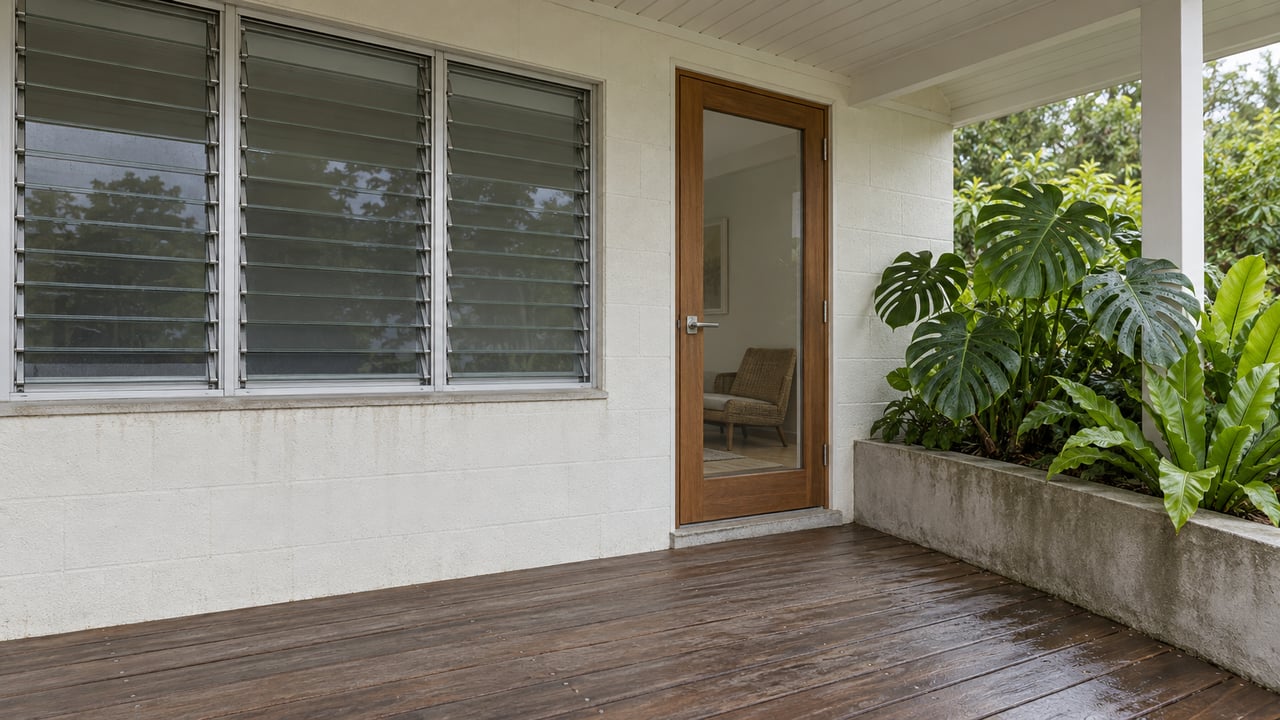
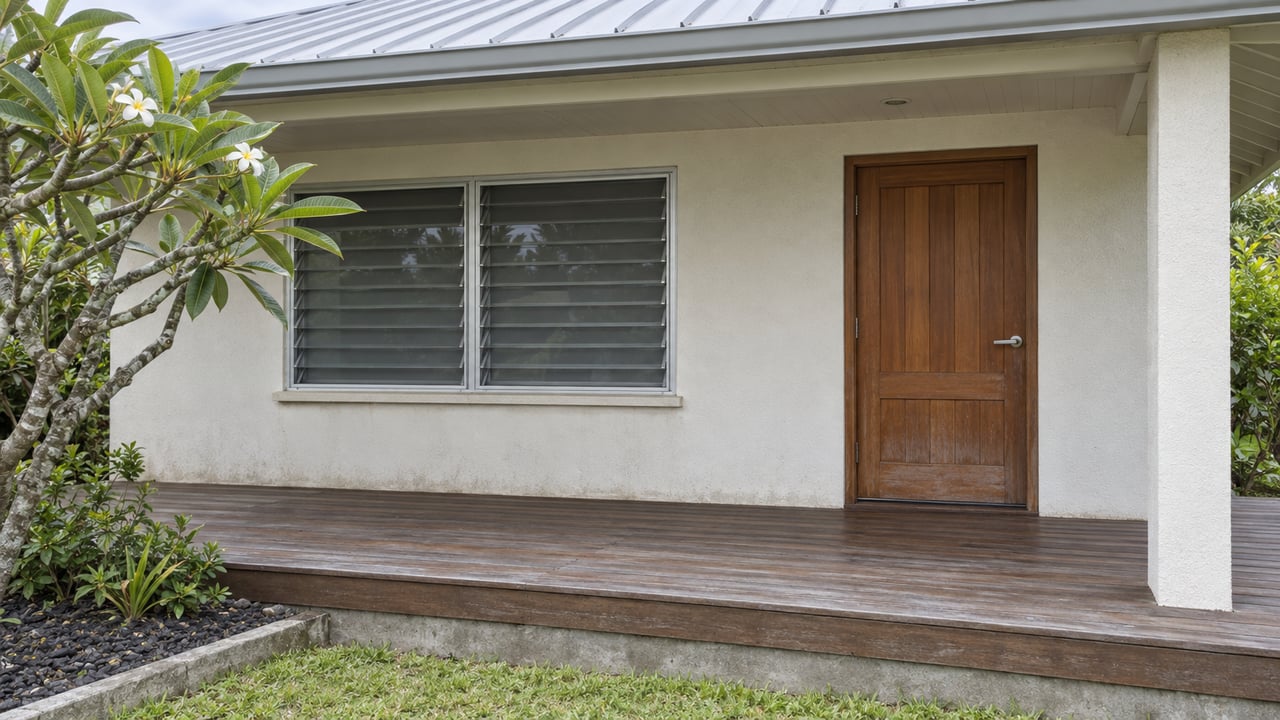
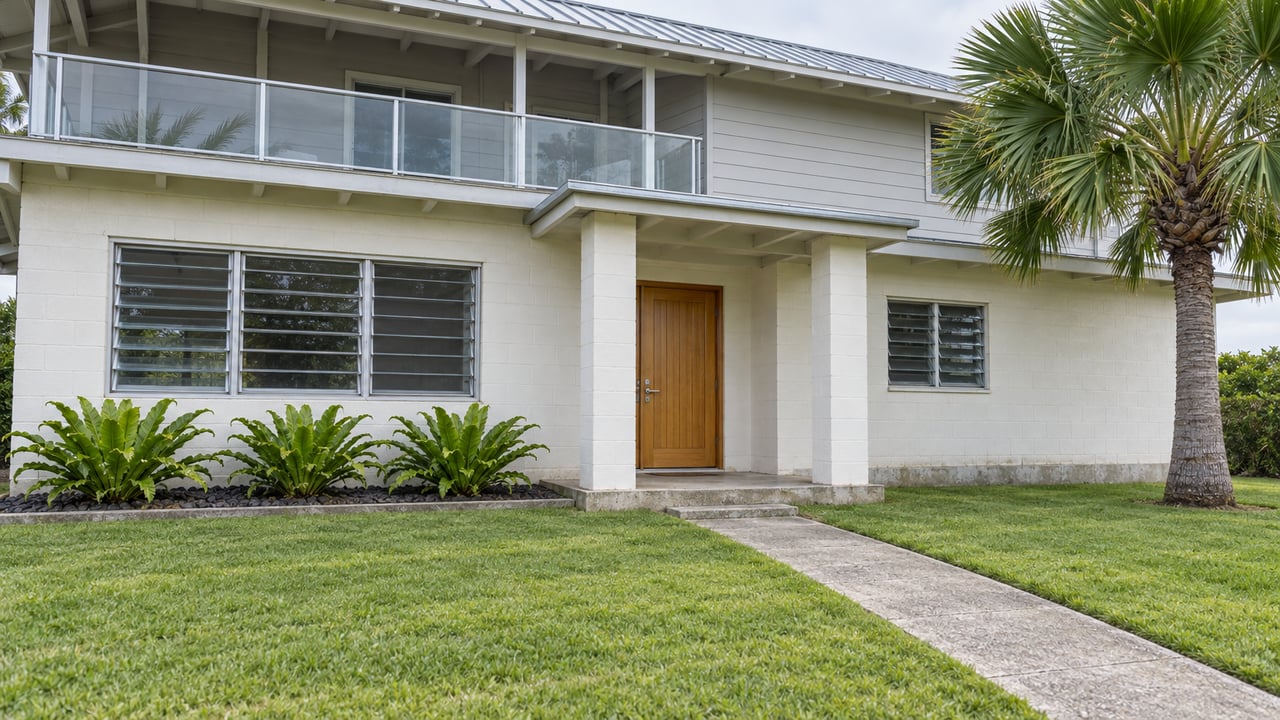
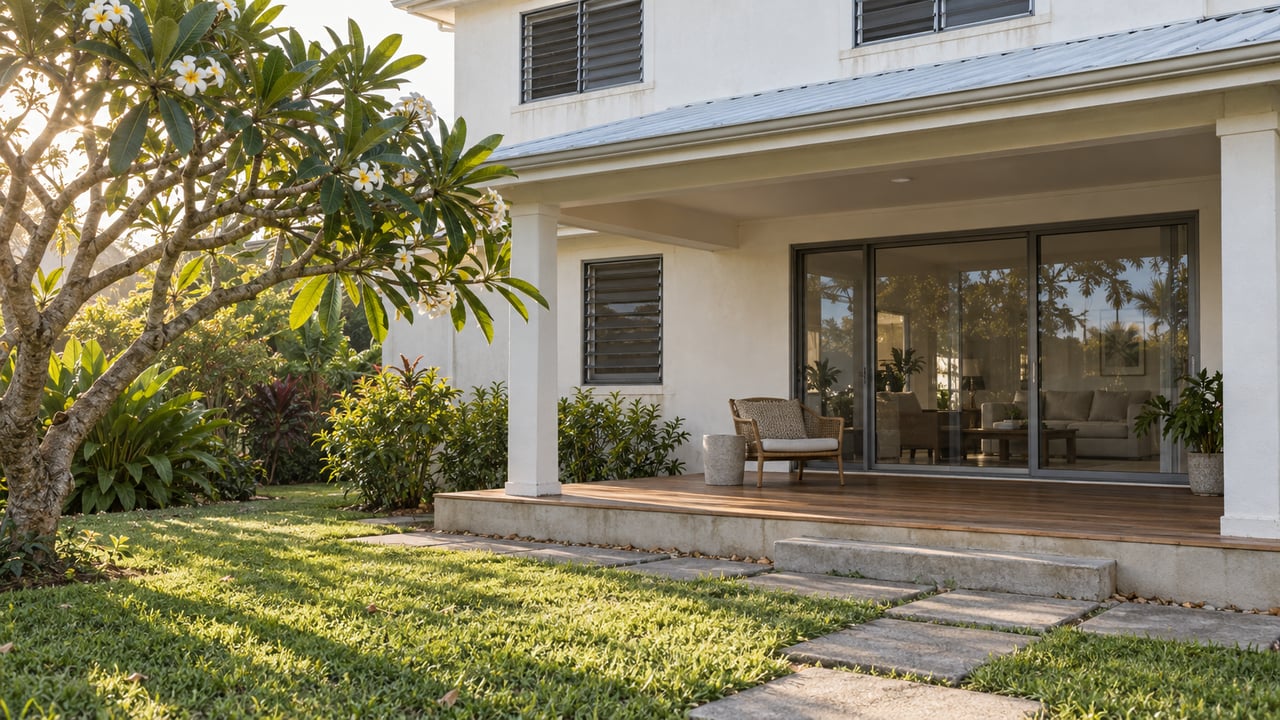
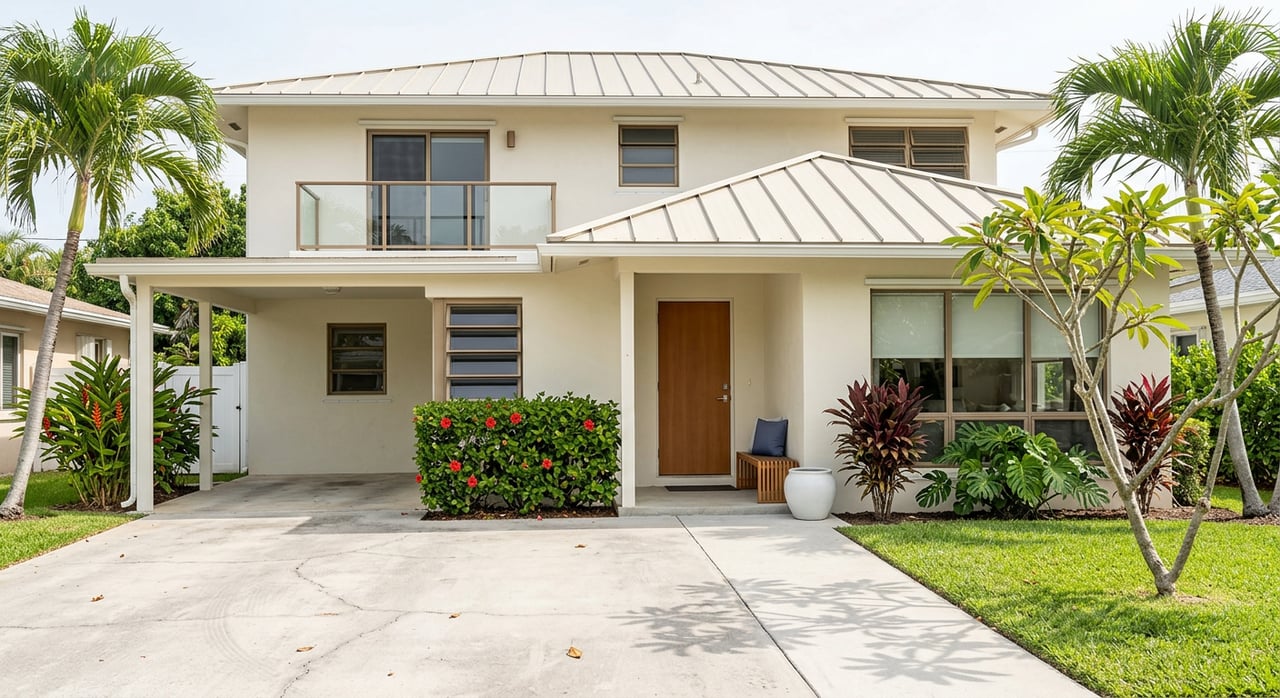
Expect a mix of classic island homes and practical mid‑century builds. You’ll see older “plantation” and mid‑century single‑family houses, modest tract homes from the 1970s through the 1990s, and some newer replacements. There are also condo and townhome communities, especially near the mall and along interior roads. Waterfront lots on the bay are a distinct segment with limited inventory and different dynamics than inland streets.
Daily life: errands, dining, and services
Shopping and everyday needs
Most errands are easy to handle close to home. Windward Mall is the primary retail hub for the Windward side, with a mix of shops, services, a food court, and cinema. Around town you’ll also find grocery stores, pharmacies, banks, and auto services, so you can keep weekly routines simple.
Local dining rhythm
The dining scene skews local and practical. You’ll find plate lunch spots, poke counters, and island‑style eateries, along with well‑known local chains. If you want a broader range of cuisines or trend‑forward options, many residents head to Kailua or into Honolulu for a night out. The everyday vibe in Kāneʻohe is about familiar flavors and easy convenience.
Health care and essentials
For hospital care, residents commonly use Adventist Health Castle in Kailua and Honolulu facilities for specialized services. Kāneʻohe has clinics and urgent‑care options for routine needs, with emergency services provided by Honolulu County and state agencies. You can confirm island‑wide care resources through the state’s Oʻahu health listings.
Schools and continuing education
Public schools in 96744
Kāneʻohe is part of the Windward complex area within the Hawaiʻi Department of Education. Local campuses include multiple elementary schools such as Heʻeia, Kahaluʻu, Kapunahala, Pūʻōhala, and ʻĀhuimanu, plus Governor Samuel Wilder King Intermediate and James B. Castle High School. Attendance boundaries can vary by street, so always verify zoning with the Hawaiʻi DOE complex area directory.
Windward Community College
Windward Community College sits right on the Windward side and serves as a hub for continuing education and community classes. Residents often use the campus for credit courses, enrichment, and events. Bus travel from central Honolulu can be lengthy, so many students and visitors plan around car trips.
Outdoor life: bay, parks, and trails
Kāneʻohe Bay and the sandbar
The bay is one of the island’s most accessible places to get on the water. Locals reach the sandbar by launching from Heʻeia Kea Small Boat Harbor. If you do not have a boat, guided operators offer trips that typically take 15 to 25 minutes to reach the sandbar. You can see sample tour details and ocean etiquette reminders from a local operator on the Kāneʻohe Bay sandbar page. When you go, be mindful of coral and wildlife, and pack reef‑safe sunscreen.
Parks, gardens, and cultural sites
Green space is part of daily life here. The 400‑acre Hōomaluhia Botanical Garden is a favorite for morning walks, photography, and low‑key weekend time. Heʻeia Fishpond hosts ongoing restoration and cultural education, and Kualoa Regional Park offers ocean views for casual outings. Valley of the Temples and Byodo‑In Temple sit nearby for reflective visits and scenic stops.
Hiking, with care
You have access to short lookouts and classic rainforest hikes, including ridge viewpoints like Pali Puka and pillbox routes such as Puʻu Maʻeliʻeli. Access rules, parking, and trail conditions can change, and some waterfall or valley trails close or reroute at times. Before you go, always check current notices from local land managers and respect any posted guidance to keep yourself and the trails safe.
Respect wildlife and the reef
Sea turtles and marine mammals are protected, and the reef is fragile. Do not touch or harass wildlife, keep a respectful distance, and avoid stepping on coral. The state outlines best practices for ocean users on its page about protecting marine species. A little care goes a long way toward preserving the bay you’ll come to love.
Getting around: commute and transit
Driving over the Koʻolau
Reaching Honolulu is straightforward via the H‑3, Likelike, or Pali highways. Off‑peak, you can often make it to central Honolulu in about 20 to 40 minutes, but rush hour or incidents in the tunnels and passes can extend that time. For a general orientation to the area and routes, see the Kāneʻohe overview.
TheBus and HOLO
TheBus is the primary public transit option connecting Kāneʻohe with downtown Honolulu and Windward destinations. It integrates with the HOLO card system and covers both trunk and local lines on this side of the island. Review routes, schedules, and system info on TheBus site. Many residents still rely on cars for day‑to‑day flexibility.
No rail on the Windward side
Honolulu’s rail line, Skyline, currently serves the southern and central corridor of Oʻahu and does not extend to Kāneʻohe. If rail is part of your commute plan, you would need to connect by bus or car to a station in the served corridor. You can confirm the current alignment on the Skyline page.
Is Kāneʻohe a fit for you?
If you want a green, low‑key Windward lifestyle with quick access to water, Kāneʻohe aligns well with that picture. You’ll trade a large city restaurant scene for easy access to island nature and a town center that handles your essentials. The nearby Marine Corps Base on Mokapu Peninsula shapes local demand and services, which you will feel in everyday life.
Here are a few practical tips as you consider a move:
- Verify school boundaries for your specific address with the Hawaiʻi DOE directory.
- Test drive your commute at the times you plan to travel, and have backup routes in mind for weather or incidents.
- For specialty shopping or services, plan the occasional trip into Kailua or Honolulu; for weekly needs, Windward Mall and nearby centers cover most errands.
- When hiking or visiting cultural sites, follow all posted guidance and respect closures and permit rules.
- On the bay, book licensed operators if you do not have a boat, pack reef‑safe sunscreen, and follow state wildlife guidelines.
Work with a local guide
Choosing a neighborhood is easier when you have a team that knows the Windward side street by street. If you want help comparing mauka and makai pockets, understanding bayfront nuances, or setting a smart plan for buying or selling in 96744, connect with Homes of Hawai'i Real Estate. You will get clear, responsive guidance from a Windward‑based team that treats your goals with care.
FAQs
What is daily life like in Kāneʻohe if you work in Honolulu?
- Off‑peak drives are often 20 to 40 minutes via H‑3, Likelike, or Pali, but rush hour can take longer; many people plan flexible departure times or use TheBus when it makes sense.
How do you reach the Kāneʻohe Bay sandbar without a boat?
- Book a licensed tour or small charter that departs from Heʻeia Kea; operators outline timing and ocean etiquette on their sandbar trip pages.
Where do you handle most errands in 96744?
- The core is Windward Mall and nearby shopping centers, which cover groceries, services, and casual dining.
Does Honolulu rail serve Kāneʻohe?
- No; Skyline does not extend to the Windward side, so most commutes use car or TheBus connections to reach job centers.
What should you know about public schools in Kāneʻohe?
- Schools are within the Windward complex area; always confirm your address’s assigned campuses using the Hawaiʻi DOE directory.
Are there notable parks or gardens near town?
- Yes; the 400‑acre Hōomaluhia Botanical Garden is a favorite for walking, picnics, and weekend downtime.
What ocean etiquette should you follow around Kāneʻohe Bay?
- Keep a respectful distance from turtles and marine mammals, avoid touching coral, and follow state guidance for protecting marine species.