Thinking about life on Oʻahu’s west side? Ewa Beach often comes up for buyers who want newer neighborhoods, practical amenities, and a community that is still growing. If you are comparing different parts of the island, this guide will help you understand what living in Ewa Beach looks like today and what tradeoffs come with it. Let’s dive in.
Why Ewa Beach Stands Out
Ewa Beach is part of the broader ʻEwa plain on Oʻahu’s southwest side, and it continues to evolve as growth moves west. According to the City and County of Honolulu’s ʻEwa Development Plan, the region still expects substantial growth and additional planning around parks and infrastructure.
That growth is not just historical. The same city planning materials note ongoing development patterns across Ewa Beach and the surrounding plain, and a Department of Hawaiian Home Lands project began master-planning about 80 acres in Ewa Beach in 2024. For you as a buyer, that points to a community that is still taking shape rather than one that is fully built out.
Housing in Ewa Beach
One of Ewa Beach’s biggest draws is its mix of master-planned communities and relatively better value when compared with some other Oʻahu markets. This does not mean low-cost housing, but it can mean more home for your money than you may find in some east or urban submarkets.
Research in the local market shows Ewa Beach has a median owner-occupied home value of $748,800, compared with $843,400 in Urban Honolulu and $1,353,700 in Kailua. That makes Ewa Beach a relative value option for buyers who want to stay on Oʻahu while stretching their budget further.
Master-Planned Communities
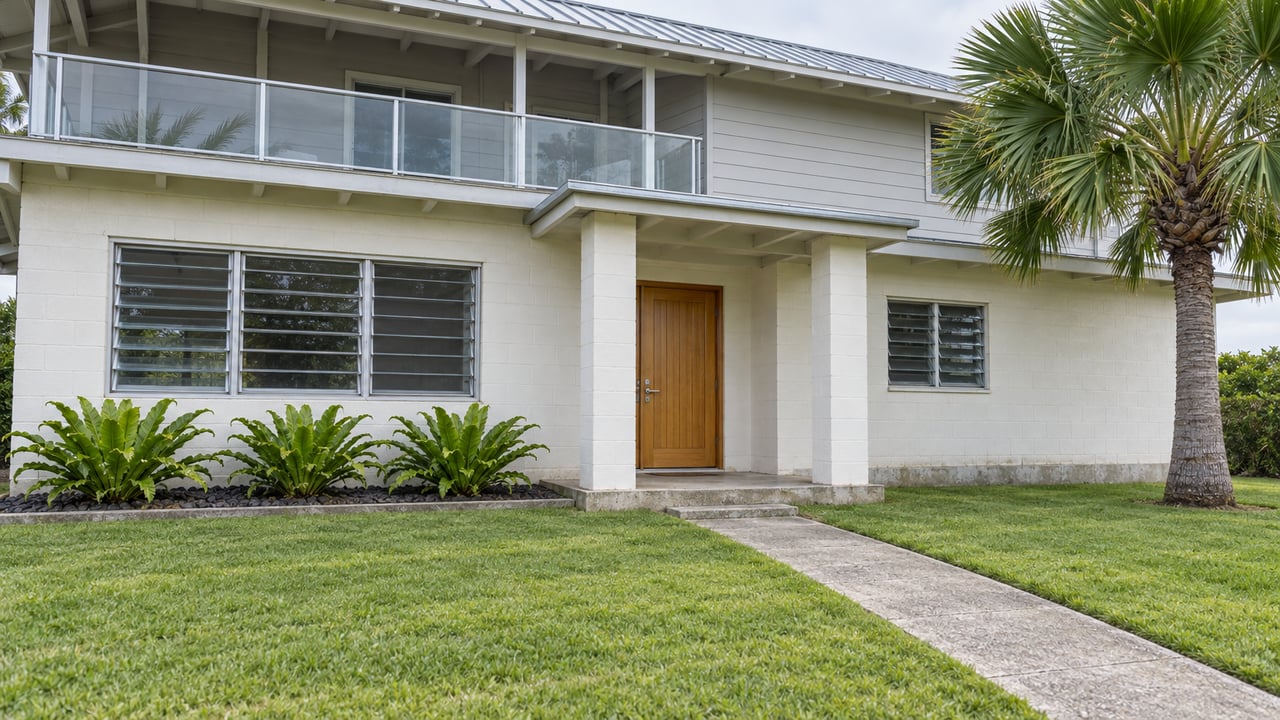
Several well-known communities shape the housing landscape in Ewa Beach. Ewa by Gentry has long been associated with first-time homebuyers, while Ocean Pointe first welcomed homeowners in 1998 and now has more than 2,200 families. Hoakalei adds another layer with its 726-acre master-planned layout, four residential neighborhoods, a private golf course, and the Wai Kai lagoon project.
For you, that means housing options may vary by age, layout, lot size, and nearby amenities. Some areas feel more established, while others reflect the newer, planned-community side of west Oʻahu living.
Parks and Outdoor Recreation
If outdoor access matters to you, Ewa Beach offers a range of recreational spaces, even as the broader region continues working toward future park goals. The city’s development plan says the ʻEwa area still needs more district park acreage than it currently has, and future growth plans include more parks.
Today, residents already use several neighborhood and shoreline recreation areas, including:
- Ewa Beach Community Park
- Ewa Mahiko District Park
- Oneʻula Beach Park
- Puʻuloa Beach Park
- Ewa Puʻuloa District Park
- Asing Park
These spaces support everyday routines like walking, sports, beach time, and simple outdoor downtime. If you want a neighborhood where parks and outdoor movement are part of daily life, Ewa Beach gives you several options right in and around the area.
Golf and Leisure Amenities
Golf is a major part of the Ewa Beach identity. City and developer materials point to multiple nearby courses, including West Loch and Ewa Villages as municipal options, along with private Hoakalei and Coral Creek. Gentry’s community information also lists Ewa Beach Golf Course and Hawaii Prince among area amenities.
For buyers who enjoy golf or simply like the open-space feel these courses create, this can be a meaningful lifestyle factor. Even if you are not a golfer, these amenities help define the broader character of the west side.
Shopping and Daily Convenience
Daily errands and shopping are easier when you have both neighborhood and regional options nearby. In Ewa Beach, Laulani Village serves as a local retail center for everyday needs.
For a larger shopping and dining hub, nearby Ka Makana Aliʻi offers more than 100 stores and restaurants, along with a theater and hotel, as noted in the city planning materials. That gives you a mix of convenience close to home and broader retail access a short drive away.
Schools and Local Services
If you are researching public education options, families in Ewa Beach will often look at schools in the Campbell-Kapolei complex area. These commonly include Ewa Beach Elementary, Ewa Elementary, Holomua Elementary, ʻIlima Intermediate, and James Campbell High, based on the Hawaiʻi State Department of Education school information.
DreamHouse ʻEwa Beach is also a public charter school serving grades 6 through 12. In addition, James Campbell High broke ground in 2025 on a $25.3 million athletic complex that is scheduled for completion in September 2026, which suggests continued investment in local school-related facilities.
When you are choosing a neighborhood, it helps to verify school assignment and enrollment details directly with the appropriate agencies. Boundaries and availability can change over time.
Commuting From Ewa Beach
Commuting is one of the biggest practical considerations when living in Ewa Beach. Many buyers are drawn to newer housing and west-side amenities, but commute times and transportation schedules deserve a close look before you make a move.
Skyline’s route map shows 19 stations on an 18.9-mile corridor, with the first 13 stations operating from East Kapolei to Kalihi. Reported travel times to Civic Center are about 39 minutes from East Kapolei, 37 minutes from UH-West Oʻahu, 33 minutes from Ho‘opili, and 31 minutes from West Loch.
TheBus also provides direct links through:
- Route 41: Kapolei to Ewa Beach
- Route 42: Ewa Beach to Waikiki
- Route E: Ewa Beach, Waipahu, and Waikiki
- Route 91: Ewa Beach Express to Alapai Transit Center
The Main Tradeoff
The practical tradeoff is fairly simple. Ewa Beach can offer newer housing stock and planned-community amenities, but your daily routine may be more drive-dependent and more sensitive to schedules than if you lived closer to Honolulu’s core job centers.
That does not make Ewa Beach the wrong choice. It just means you will want to think honestly about your work hours, school drop-offs, activity schedules, and how often you need to travel across the island.
Who Ewa Beach May Appeal To
Ewa Beach can make sense for buyers who want a community-oriented setting with a mix of housing choices, parks, golf, and accessible shopping. It may also appeal to people who are comfortable balancing those lifestyle benefits against a commute that can require more planning.
You may want to look more closely at Ewa Beach if you are:
- Seeking a home in a master-planned community
- Looking for relative value compared with some other Oʻahu areas
- Interested in parks, shoreline access, or golf amenities
- Comfortable evaluating commute logistics as part of your decision
What to Consider Before You Buy
Before buying in Ewa Beach, it helps to look beyond just the home itself. Neighborhood fit on Oʻahu often comes down to how the property supports your daily routine.
Ask yourself:
- How important is commute time to your week?
- Do you want a newer planned-community feel or a more established neighborhood pattern?
- How often will you use parks, golf, or nearby retail?
- Are you comfortable buying in an area that is still growing and evolving?
These questions can help you narrow down not only whether Ewa Beach is a fit, but also which part of the area may feel right for you.
If you are weighing Ewa Beach against other Oʻahu neighborhoods, working with a team that understands how lifestyle, location, and market value intersect can make the search much easier. Homes of Hawai'i Real Estate offers hands-on guidance for buyers and sellers who want practical local insight and responsive support from start to close.
FAQs
What is Ewa Beach known for on Oʻahu?
- Ewa Beach is known for its growing west-side location, master-planned communities, golf amenities, parks, and relative housing value compared with some other Oʻahu markets.
How does Ewa Beach home value compare with other Oʻahu areas?
- Ewa Beach’s median owner-occupied home value is $748,800, which is below Urban Honolulu at $843,400 and well below Kailua at $1,353,700.
What shopping options are near Ewa Beach?
- Ewa Beach includes local shopping at Laulani Village, and nearby Ka Makana Aliʻi provides a larger regional shopping, dining, and entertainment center with more than 100 stores and restaurants.
What public schools serve Ewa Beach?
- Public school options commonly associated with Ewa Beach include Ewa Beach Elementary, Ewa Elementary, Holomua Elementary, ʻIlima Intermediate, and James Campbell High, with DreamHouse ʻEwa Beach serving grades 6 through 12 as a public charter school.
How do people commute from Ewa Beach?
- Many residents commute by car, bus, or a combination of driving and transit, with Skyline access available through nearby west-side stations and direct TheBus routes connecting Ewa Beach to other parts of Oʻahu.
Is Ewa Beach still growing?
- Yes. City planning documents show the broader ʻEwa region continues to expect substantial growth, and additional planning activity in Ewa Beach points to an area that is still evolving.