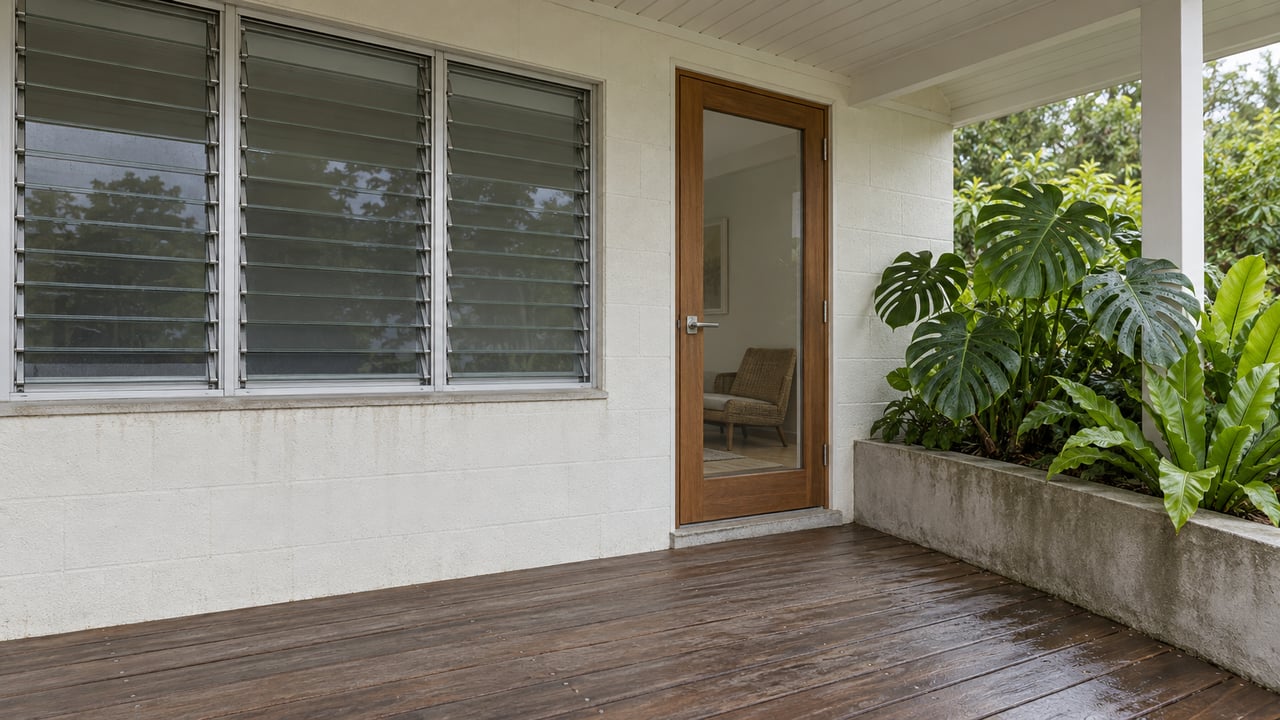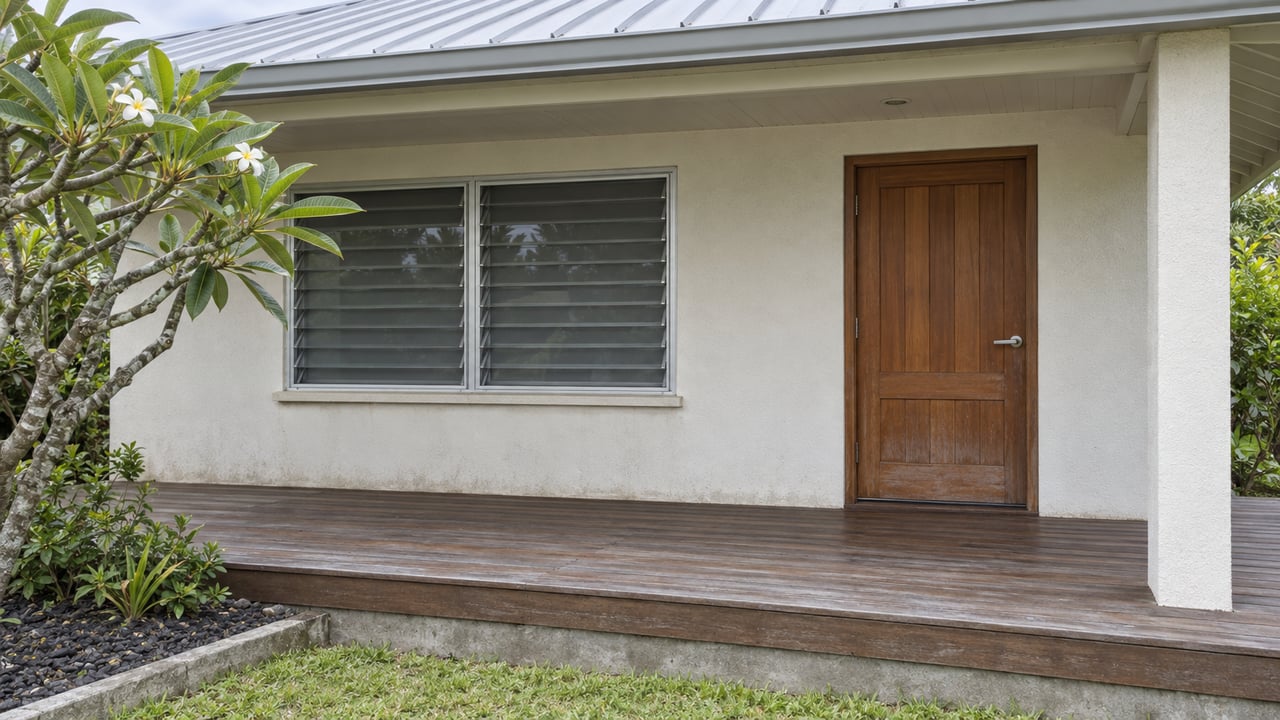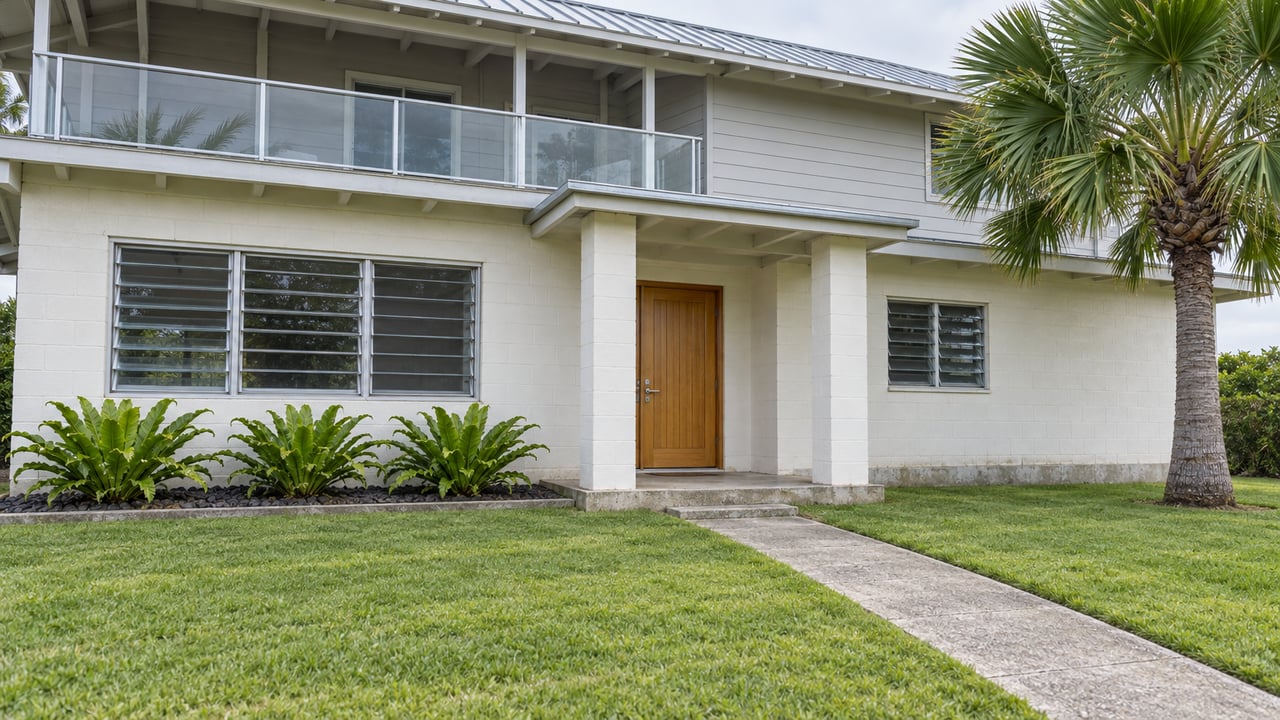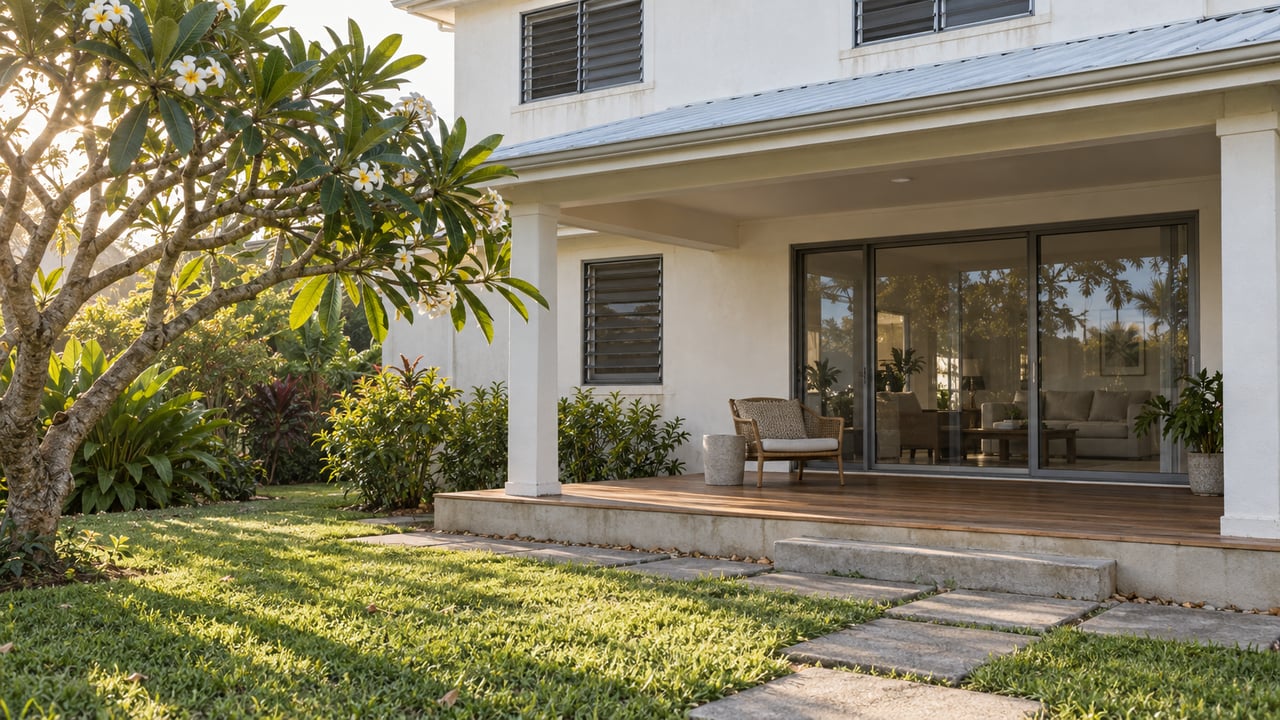
Thinking about buying a home in Kāneʻohe with a VA loan? You have strong benefits on your side, and the 96744 market offers a range of options from townhomes to single-family homes with mountain or bay proximity. The process does work a little differently on Oʻahu, especially around appraisals, condo approvals, and coastal risks. In this guide, you’ll learn the key VA rules, local market insights, and offer strategies that help you compete with confidence in Windward Oʻahu. Let’s dive in.
Kāneʻohe market at a glance
Recent ZIP-level snapshots show a median sale price around the high $800,000s, with Redfin reporting about $875,000 in February 2026 and days on market often in the 60 to 90 day range. Condos and townhomes often trade in the low to mid $400,000s to $600,000s, while many single-family homes close between $800,000 and $1.6 million, with premium properties higher. Micro-neighborhoods vary, so your exact target street and condition will drive pricing and pace. For island-wide context on Oʻahu’s seasonal trends and inventory, review the Honolulu Board of REALTORS monthly report for the latest county-level patterns at the HiCentral market report.
VA loan basics you need in Kāneʻohe
Get your Certificate of Eligibility early
Your first step is to obtain your Certificate of Eligibility. Most lenders can request it for you, but you can also start the process yourself using the VA’s portal described in how to request a COE. Have this in hand before you write offers so sellers and listing agents see you are fully eligible and prepared.
Funding fee, closing costs, and the 4% cap
Most VA buyers pay a one-time VA funding fee, which can be financed in the loan in many cases. The VA also allows sellers to cover customary buyer closing costs and certain concessions, but “seller concessions” that provide additional value to you are capped at 4% of the home’s reasonable value. Know what counts toward this cap so you can structure credits smartly. See the VA’s official overview of funding fees and closing costs for details.
Entitlement, “no VA limit,” and Oʻahu price points
If you have full entitlement, the VA does not impose a hard loan limit. If you have partial entitlement tied up in another property, your zero-down ability can be affected by conforming loan limits. For 2026, the FHFA has published updated limits that matter for partial-entitlement math. Review the FHFA conforming limit values for 2026 and speak with your lender about how they apply to your situation in Honolulu County.
Condos must be VA approved
If you plan to buy a condo or townhome, the project must be on the VA-approved list or be approved during escrow. Confirm VA approval before you write an offer, or build in a short contingency to allow your lender to complete a condo review. Learn more in the VA’s condo project guidance and circular on condominium approvals.
How VA appraisals work in Hawaiʻi
The lender orders the VA appraisal to determine the property’s reasonable value and whether it meets Minimum Property Requirements focused on safety, sanitation, and structural soundness. VA appraisals are not a substitute for a home inspection. Review the official MPR standards in VA Pamphlet 26-7, Chapter 12 on Minimum Property Requirements.
Common MPR triggers in Windward Oʻahu
On the Windward side, appraisers and inspectors often encounter moisture and mold in poorly ventilated spaces, wood-destroying pests, salt-air corrosion on metal components, older or failing roofing, and drainage issues that lead to standing water. Unpermitted additions or conversions can also create problems for valuation and safety. Properties near Kāneʻohe Bay may fall in FEMA Special Flood Hazard Areas, which usually triggers flood insurance and can affect your monthly payments. Screen addresses early at FEMA’s guidance on flood map lookups to understand the implications.
If value comes in low or repairs are required
If the appraisal is below your contract price or flags MPR repairs, you typically have three paths. You can request a Reconsideration of Value with better comparable sales, renegotiate the price to the appraised value, or bring cash to close to cover a gap if your lender allows it. The VA explains these steps within its home buying process. Required habitability repairs usually must be completed before closing and can lengthen escrow, so plan your timelines accordingly.
Pre-offer checklist for VA buyers in 96744
- Request your COE and get a strong lender preapproval with clearly documented income and assets. Include your lender’s contact details in your offer.
- If you are targeting a condo or townhome, confirm VA project approval or include a short condo-review contingency.
- Ask for disclosure items that help with underwriting: recent termite report if available, roof age, visible moisture or water-stain history, and permit history for additions.
- Screen the address for potential flood zones to understand insurance requirements using the FEMA flood resources linked above.
- Discuss buyer-broker compensation with your agent in light of recent changes. The VA issued updated guidance so veterans are not disadvantaged by evolving MLS practices. Read the VA’s policy update in VA News.
- Align on realistic timelines for appraisal and any re-inspections so your offer reflects confidence and flexibility.
Write a competitive VA offer in Kāneʻohe
- Show readiness. Include your COE, a detailed preapproval, and your lender’s name and phone number so the listing side can verify strength and timelines.
- Use credits strategically. Ask the seller to pay customary closing costs and structure additional items within the VA’s 4% concession cap referenced above.
- Address the appraisal head-on. If needed, offer a defined appraisal-gap clause and include proof of funds for any portion you will cover.
- Be flexible on timing. Offer a reasonable closing window and, if helpful, a short rent-back or flexible possession that respects the seller’s plans.
- Consider a pre-inspection when the home shows signs of deferred maintenance. You can also request specific repairs in the contract to reduce surprises after the VA appraisal.
- If buying a condo, build in a short period to deliver HOA documents and confirm VA project approval.
Local issues to watch before you fall in love
Unpermitted renovations are not uncommon on Oʻahu and can slow or stop financing until resolved. A recent report highlights how permit problems have affected transactions in Kāneʻohe and beyond; review the Honolulu Civil Beat coverage on permit violations and closing risks and make permit history part of your due diligence. Also note that some properties are leasehold. If you consider leasehold, your lender will need to review lease terms early, and the timeline can be different from fee simple.
Many military and civilian buyers choose 96744 due to proximity to Marine Corps Base Hawaii, everyday amenities, and Windward lifestyle. As you compare commute, housing types, and BAH considerations, focus on total monthly cost and on-the-ground condition. A local agent and a VA-experienced lender can help you balance price, condition, and commute more clearly.
Your next step on Windward Oʻahu
A smooth VA purchase in Kāneʻohe starts with preparation. Line up your COE and preapproval, confirm condo eligibility if needed, and target homes with fewer MPR risks. When you are ready to walk through options, negotiate credits, and craft a competitive offer, connect with a neighborhood-rooted team. Reach out to Homes of Hawai'i Real Estate to plan your path from preapproval to keys.
FAQs
What is the VA funding fee and can the seller help pay it?
- The VA funding fee is a one-time fee most buyers pay, often financed in the loan; sellers can cover customary closing costs and certain concessions, but total seller concessions are capped at 4% of the home’s reasonable value as detailed in the VA’s guidance on funding fees and closing costs.
Do Kāneʻohe condos qualify for VA loans?
- Yes, if the condo project is VA approved; confirm approval before making an offer or include a short contingency, following the VA’s condominium project guidance.
How is a VA appraisal different from a home inspection?
- A VA appraisal sets reasonable value and checks Minimum Property Requirements for safety, sanitation, and soundness, while a home inspection is a deeper condition review; see the VA’s MPR standards for what appraisers evaluate.
What if my VA appraisal comes in low in 96744?
- You can request a Reconsideration of Value with stronger comps, renegotiate price, or bring cash to cover the gap if permitted; the VA outlines these paths in its home buying process.
Can I use a VA loan if I still have an active VA loan?
- Possibly, but you may have partial entitlement tied up and will need to follow conforming-loan-limit math for zero-down options; review the FHFA’s current conforming limits and talk with your lender.
Are VA loans slower to close on Oʻahu?
- With an experienced VA lender, timelines are often similar to conventional loans, but required MPR repairs and re-inspections can extend escrow, so build a realistic schedule into your offer.
Do flood zones near Kāneʻohe Bay affect VA financing?
- If a property is in a Special Flood Hazard Area, lenders will require flood insurance, which changes monthly costs; check the FEMA flood resources early in your search.
Can the seller pay for VA-required repairs in Hawaiʻi?
- Yes, sellers often complete required repairs to meet MPRs; you can also negotiate credits within VA rules, keeping total seller concessions within the 4% cap.