Selling in Kaneohe can feel simple from the outside. Put the home on the market, accept a strong offer, and head to closing. In reality, the smoothest sales usually come from careful prep, smart pricing, and clear timing around Hawaii’s disclosure and escrow steps. If you want to sell with less stress and fewer surprises, this guide will walk you through what matters most from prep to closing. Let’s dive in.
Start With a Strong Kaneohe Selling Plan
A confident sale usually starts before your home ever hits the market. In Kaneohe, that means thinking about condition, pricing, marketing, and paperwork as one connected strategy instead of separate tasks.
March 2026 Oahu single-family market data showed 260 closed sales, a median sales price of $1,199,500, median days on market of 21, and a median of 98.6% of original list price received. About 26% of sales closed above the original asking price. Those numbers show that buyers are active, but they also show why pricing discipline still matters.
Kaneohe can also move differently than the broader island market. A local MLS-based snapshot showed the Kaneohe Region single-family median at $1,200,000 with 19 sales in January 2026, then $626,250 with 8 sales in February 2026. That kind of month-to-month change is a good reminder to rely on the newest neighborhood comparables instead of broad averages alone.
Prep Your Home Before You List
The goal of pre-list prep is not perfection. The goal is to present your home clearly, reduce avoidable objections, and make it easier for buyers to say yes.
According to the 2025 staging report from NAR, sellers’ agents most often recommend decluttering, deep cleaning, and improving curb appeal. The same report found that photos and videos matter more to clients when marketing a listing, and staged homes can reduce time on market.
For a Kaneohe home, your first round of prep should focus on the visible basics:
- Declutter each room
- Deep clean the entire home
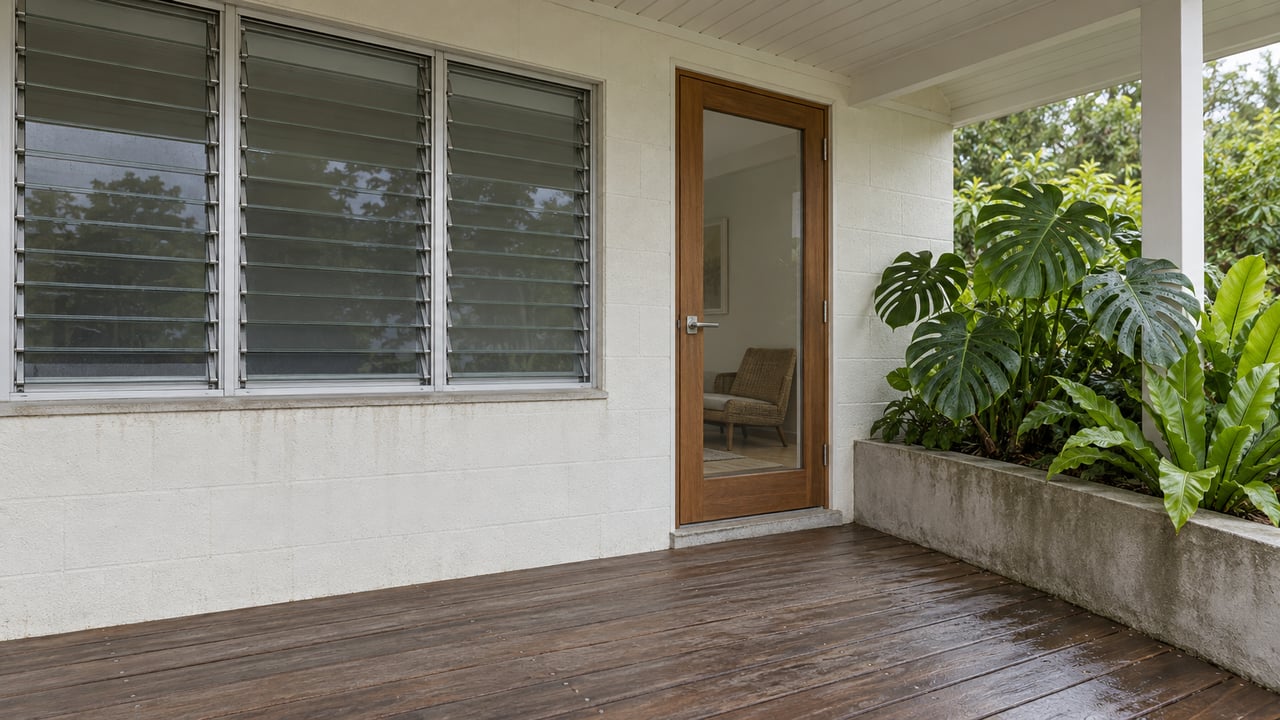
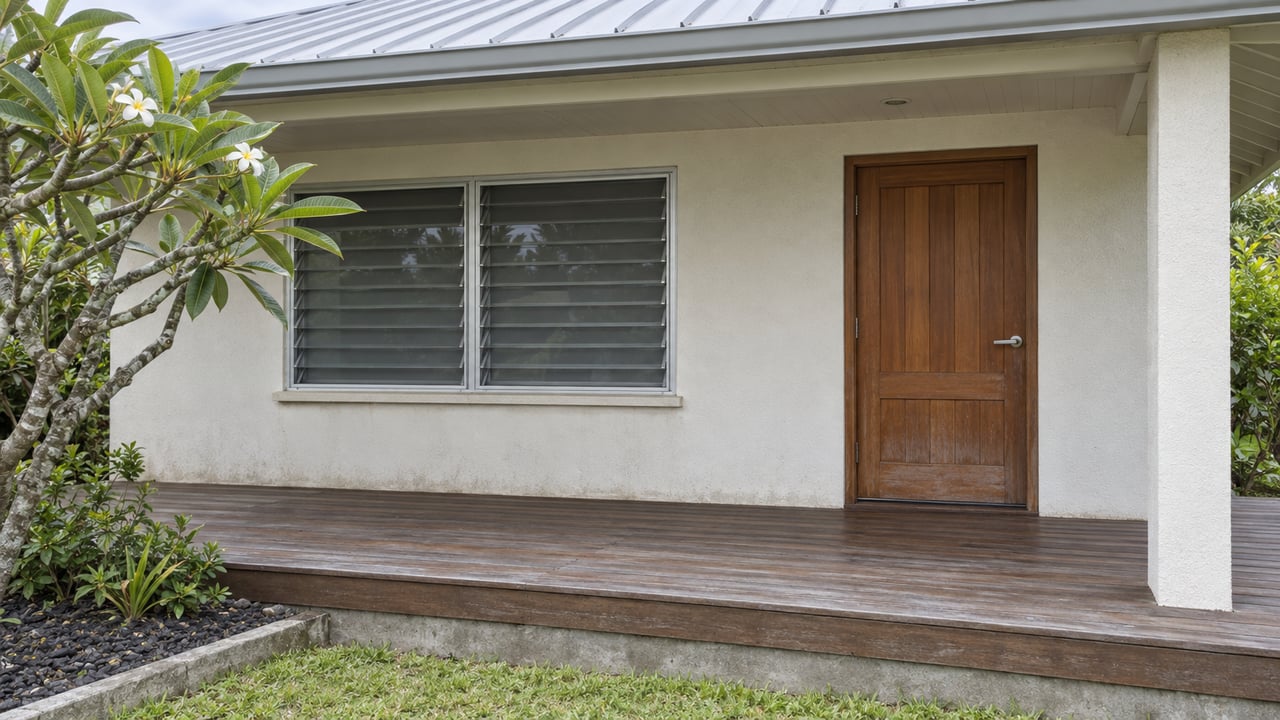
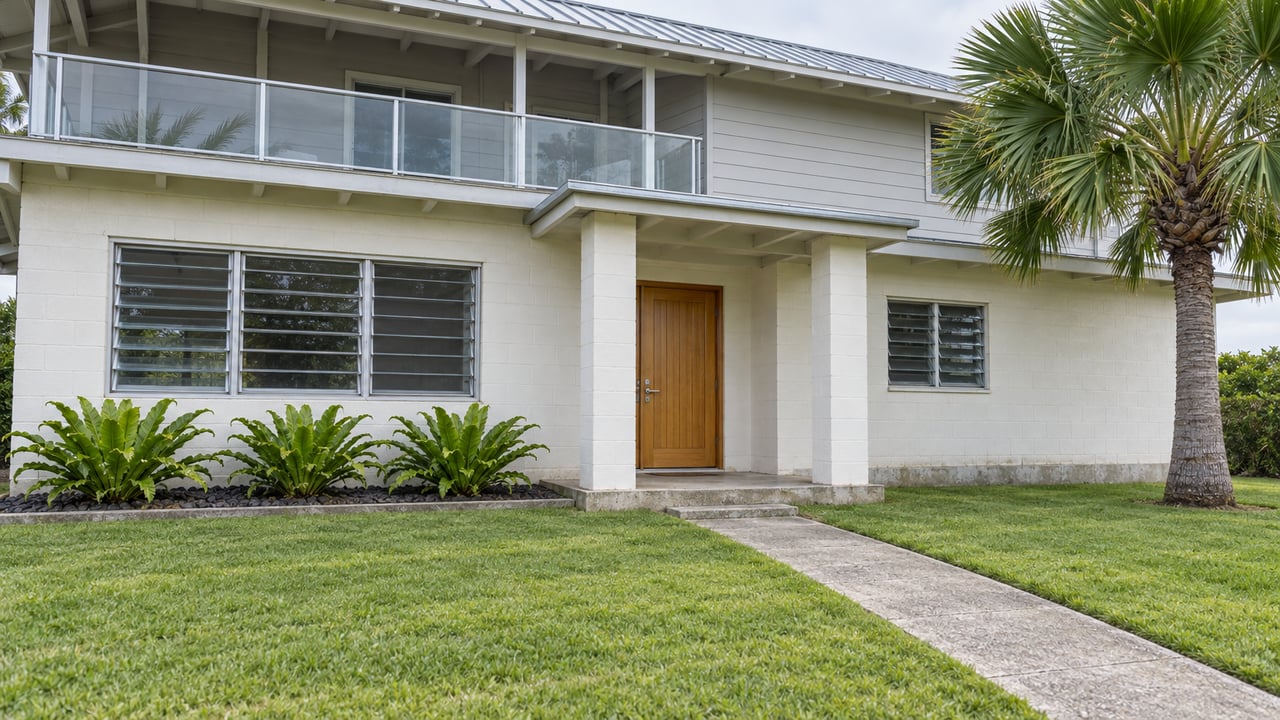
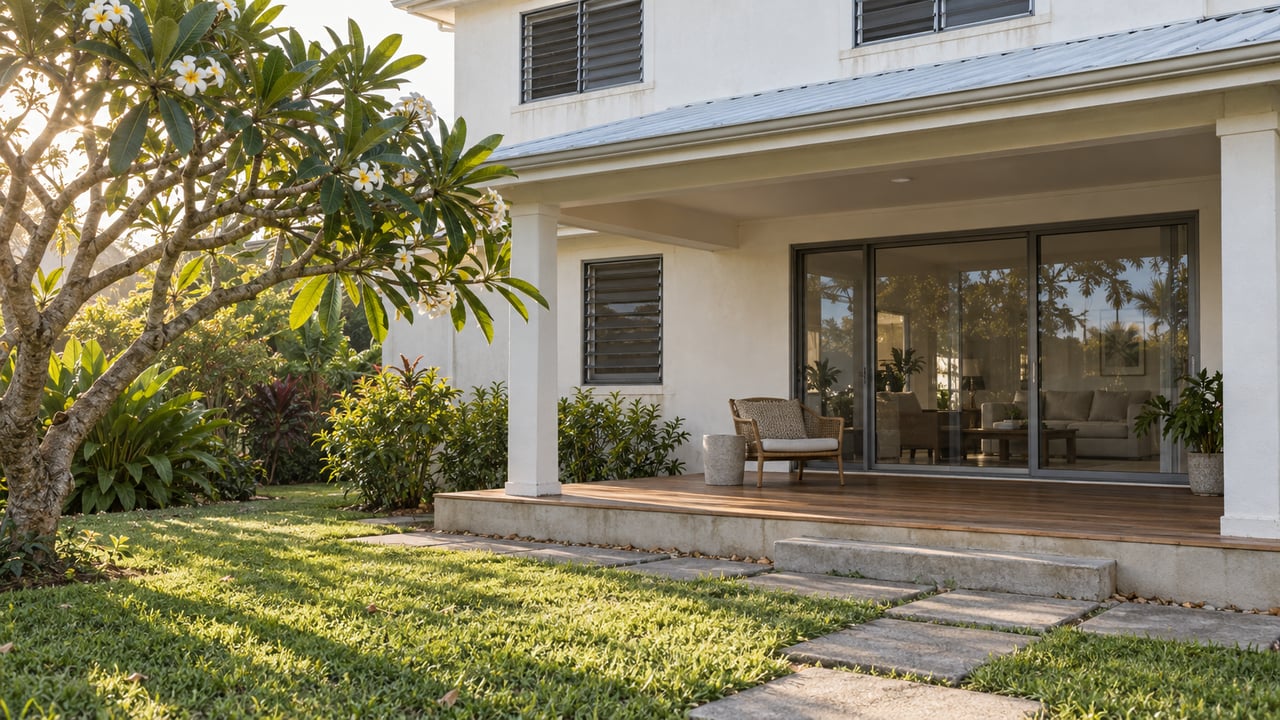
- Improve curb appeal and landscaping
- Touch up paint and exterior wear
- Address obvious maintenance issues
- Fix items that could turn into inspection concerns
This step matters because many problems become more expensive once you are already under contract. Escrow can involve inspections, repair negotiations, insurance requirements, and lender conditions. Taking care of clear issues early can help you protect momentum later.
Focus on What Buyers Notice First
Buyers often form an opinion within minutes, and online photos shape that opinion before anyone steps through the door. Clean spaces, open sightlines, and a well-kept exterior can make your property feel more move-in ready.
That does not mean you need a full remodel. In many cases, simple updates like fresh paint touch-ups, trimmed landscaping, and cleaner outdoor areas do more for presentation than expensive improvements.
Handle Inspection-Risk Items Early
If you already know about a sticking door, damaged trim, worn exterior areas, or deferred maintenance, it is worth discussing before listing. Buyers may tolerate normal wear, but obvious issues can lead to repair requests or price pressure once the home is in escrow.
A proactive approach can also make your disclosure process smoother. When you know what condition issues exist, you are better prepared to present the home honestly and respond to buyer questions with confidence.
Gather Disclosures and Documents Early
In Hawaii, timing matters. Sellers must provide the disclosure statement no later than 10 calendar days after acceptance of a real estate purchase contract, and the buyer then has 15 calendar days to review it and decide whether to rescind.
That deadline is one reason organization matters so much before you list. If you wait until after accepting an offer to locate records, clarify facts, or review the property’s disclosure needs, you may create unnecessary stress during an already busy part of the sale.
Know Which Hawaii Disclosures May Apply
Hawaii requires disclosure of certain property conditions and location-based factors. Depending on the property, this can include whether the home is in a FEMA special flood hazard area, airport noise exposure area, military air installation zone, tsunami inundation area, or sea level rise exposure area.
If a property is shoreline-adjacent, additional disclosures may be required for erosion-control structures, permit expiration dates, violation notices, and related fines. Because parts of windward Oahu can involve flood, shoreline, or other location-specific factors, it is especially helpful to identify these items early.
For homes built before 1978, federal law also requires disclosure of known lead-based paint or lead hazards, delivery of the lead information pamphlet, and a 10-day opportunity for the buyer to inspect or assess the home unless that right is waived.
Prepare Condo or Project Documents in Advance
If your property is a condo or part of a project subject to a recorded declaration, there is another layer of paperwork. Hawaii law requires additional documents such as the declaration, articles, bylaws, and relevant rules.
The seller does not have to provide those documents until 10 calendar days after both sides receive a current title report, and the buyer then has 15 calendar days to review and rescind. Practical records like board minutes, budgets, reserve studies, insurance summaries, and house rules can also be useful because they may reveal assessments, maintenance issues, use restrictions, or other details a buyer will want to understand.
Price for Today’s Kaneohe Market
Pricing is one of the biggest decisions you will make, and it affects everything that comes after. A strong list price helps generate interest, supports showing activity, and gives your home a better chance to attract serious offers early.
In March 2026, Oahu single-family homes had a median days on market of 21, and sellers received a median of 98.6% of original list price. That suggests buyers are still engaging with well-positioned listings, but it does not support pricing by optimism alone.
A practical Kaneohe pricing strategy starts with recent neighborhood comps and then adjusts for features that matter to buyers and lenders, such as:
- Lot size
- Overall condition
- Views
- Water exposure
- Flood considerations
- Condo factors, if applicable
- Leasehold factors, if applicable
Why Overpricing Can Cost You Time
A high initial list price can seem like room to negotiate, but it can also reduce urgency. When a home sits longer than buyers expect, they may assume something is wrong or wait for a price change.
Kaneohe’s recent month-to-month shifts show why a hyper-local pricing strategy matters. A broad island median can provide context, but your pricing decision should reflect the most current comparable sales in your area and property category.
Market Your Home Where Buyers Look
A great listing needs more than a sign in the yard. Buyers often begin online, so your marketing package should be built for digital discovery from day one.
NAR quick statistics report that 51% of buyers found the home they purchased on the internet, compared with 29% through a real estate agent. The same source says 88% bought through an agent or broker. For sellers, that supports investing in accurate listing information, strong photography, and a clean presentation that performs well online.
For Kaneohe sellers, effective marketing should highlight the property clearly and factually. That includes the home’s layout, condition, lot features, view orientation, and any meaningful ownership or project details buyers need to know.
Presentation Still Shapes Perceived Value
When buyers scroll through listings, they compare homes quickly. Bright, well-composed photos and a tidy, thoughtful presentation can help your home feel more competitive from the first impression.
That is especially important if you want to reach both local buyers and off-island shoppers. A complete and polished listing gives people enough clarity to decide whether your property deserves a closer look.
Review Offers With the Full Picture
The strongest offer is not always the highest number. You will want to look at price, timing, contingencies, financing strength, and how realistic the path to closing appears.
A clean offer with fewer complications can sometimes put you in a better position than a higher offer with more uncertainty. This is where guidance and negotiation strategy matter, especially in a market where momentum can shift quickly.
If you are tempted to test the market without a clear pricing plan, it helps to remember that pricing is one of the hardest parts of selling. NAR notes that 90% of sellers use an agent, and getting the price right is the most difficult task for many for-sale-by-owner sellers.
Understand How Escrow Works in Hawaii
Once you accept an offer, the sale moves into escrow. In Hawaii, escrow is a neutral third-party process that holds funds, documents, and tasks tied to closing.
The key thing to understand is that escrow is milestone-driven. The process follows the contract, and the sale is not considered fully complete until the deed and related documents are recorded.
What Sellers Usually Handle Early in Escrow
After escrow opens, sellers typically need to return information forms and make sure the fully executed purchase contract, addenda, and amendments are delivered so the file can move forward. This is the point where preparation pays off.
If your records, disclosures, and property details are already organized, you are less likely to face delays while the buyer is moving through inspections, financing, and document review.
Recording Is the True Closing Point
In Hawaii, close of escrow means the date the instruments are recorded. That is the moment the transaction becomes official, not just when everyone signs.
It is also important to remember that utilities and possession are settled directly between the parties outside escrow. So if you are planning your move-out, utility transfers, or post-closing access, those details should be coordinated separately from the recording process.
Budget for Closing Costs and Conveyance Tax
Before closing, you will want to review your expected net proceeds carefully. One of the key seller costs in Hawaii is conveyance tax.
The Hawaii Department of Taxation says Form P-64A and payment are generally due no later than 90 days after the date of transaction. The rate depends on the property value and whether the buyer is eligible for a county homeowner’s exemption. For a condo or single-family residence purchased by a buyer who is not eligible for the exemption, the 2025 instructions list rates ranging from $0.15 to $1.25 per $100 of consideration depending on price.
Your closing statement should also be reviewed closely so you can confirm the sale price, costs, and expected proceeds before recording and disbursement. Clear review at this stage helps prevent last-minute confusion.
A Simple Kaneohe Seller Roadmap
If you want a practical way to think about the process, keep it simple. The cleanest path usually follows a steady order.
- Prepare the home’s condition and presentation
- Gather disclosures and property documents early
- Price against the newest Kaneohe-area comparables
- Launch with strong digital marketing assets
- Review offers based on terms, not just headline price
- Move through escrow by tracking milestones carefully
- Review closing costs and final settlement details before recording
Selling your Kaneohe home confidently is less about guessing and more about preparation. When your pricing is grounded in current local data, your home shows well, and your documents are ready, you put yourself in a much stronger position from listing through closing.
If you are thinking about selling in Kaneohe and want local, hands-on guidance from prep to recording, connect with Homes of Hawai'i Real Estate.
FAQs
What should you do before listing a home in Kaneohe?
- Start with decluttering, deep cleaning, curb appeal, paint touch-ups, and fixing obvious maintenance issues that could affect buyer interest or inspections.
How long do Hawaii sellers have to provide a disclosure statement after accepting an offer?
- Hawaii sellers must provide the disclosure statement no later than 10 calendar days after acceptance of a real estate purchase contract.
How long does a buyer have to review Hawaii seller disclosures?
- After receiving the disclosure statement, the buyer has 15 calendar days to review it and decide whether to rescind.
What documents may matter in a Kaneohe condo sale?
- Depending on the property, relevant documents can include the declaration, bylaws, articles, rules, board minutes, budgets, reserve studies, and insurance summaries.
Why is pricing a Kaneohe home based on recent local comps important?
- Kaneohe market activity can vary from month to month, so the most recent neighborhood-level comparables can offer a more accurate pricing guide than broad islandwide averages alone.
When is a Hawaii home sale officially closed?
- In Hawaii, the sale is considered closed when the deed and related documents are recorded, not simply when the papers are signed.