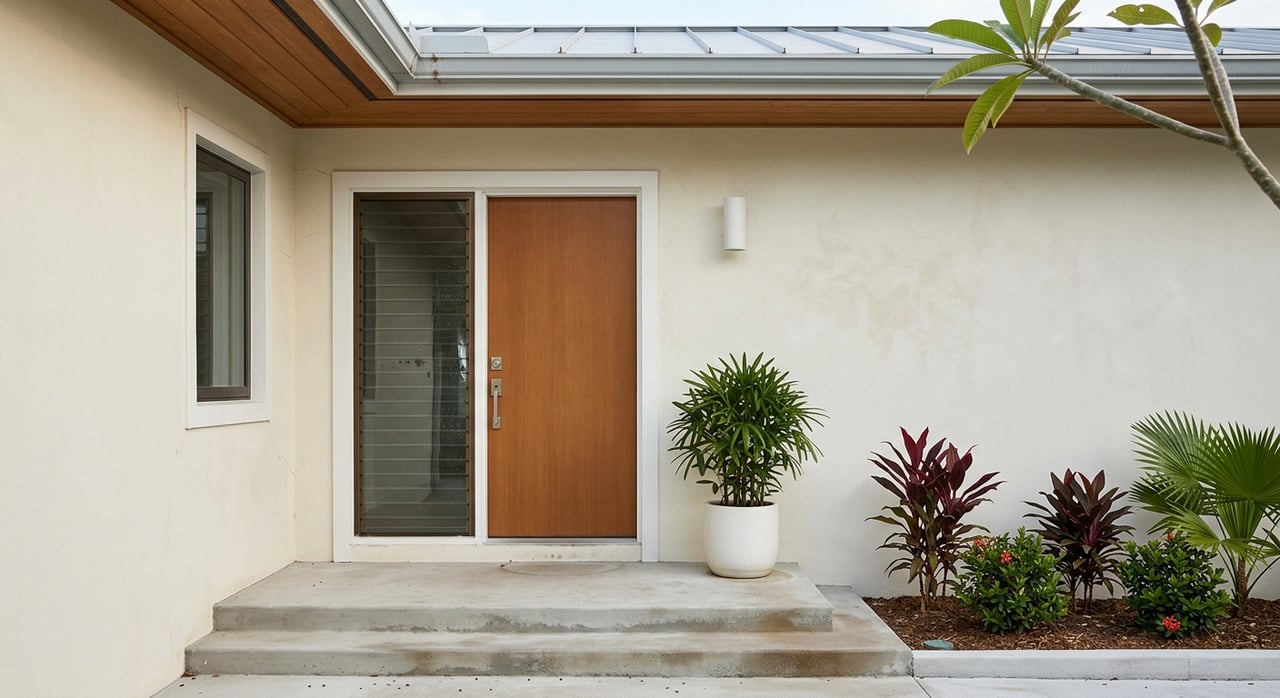
If you are thinking about selling in Kailua, it is easy to look at headline prices and assume your home will move fast. The reality is a little more nuanced. Buyers are still active, but they are paying close attention to price, condition, and how a home compares to the current competition. If you want a smoother launch and fewer surprises, it helps to prepare before your home ever hits the market. Let’s dive in.
Kailua Is Strong, But Buyers Are Selective
Kailua remains part of a premium seller market, but it is also a low-volume one. That matters because a small number of sales can make one month look very different from the next, especially in Kailua-Waimānalo data.
On Oʻahu, single-family homes had 260 sales in March 2026 with a median price of $1,199,500 and 21 median days on market. In April 2026, sales eased to 230 with 24 median days on market, and the market update noted that demand was increasingly tied to pricing and fit.
Local Kailua-Waimānalo numbers show why sellers should be careful about reading too much into one snapshot. January 2026 had 21 closed single-family sales with a $1,355,000 median price and 14 median days on market, while February 2026 had 10 closed sales with a $1,535,000 median price and 8 median days on market.
The takeaway is simple: Kailua can still reward sellers, but preparation and pricing matter more than ever. A strong market does not guarantee a strong result if your home is priced or presented incorrectly.
Price for the First Two Weeks
One of the biggest mistakes sellers make is pricing based on what they hope to negotiate later. In Kailua, that can cost you valuable attention during the first stretch of your listing, when buyers and agents are most likely to notice a new home on the market.
A better approach is to price from recent sold comparables in your micro-area. Beach-adjacent homes, inland homes, condos, and homes near the Waimānalo fringe can perform very differently, so broad county averages rarely tell the full story.
That matters even more when you compare listing and closing data. For March 2026, the 96734 zip code showed a median listing price of $1,672,500, while Redfin reported a median Kailua sale price of $1,502,000 and a 97.3% sale-to-list ratio. Those figures are not directly identical, but together they suggest that overpricing can lead to longer market time and price reductions.
Some well-positioned homes still outperform. In March 2026, 26% of Oʻahu single-family sales closed above original list price, and sellers received a median 98.6% of original list price. That is encouraging, but it also shows that the average seller should still expect pricing discipline.
What smart pricing looks like
- Use recent sold comps from your immediate area
- Compare your home to active competition, not just recent closings
- Adjust for condition, lot, updates, and location factors
- Aim to attract traffic in the first 1 to 2 weeks
- Treat pricing as a strategy, not a guessing game
Presentation Carries Real Weight
In a market where buyers are selective, presentation can change how your home is perceived from the start. A well-prepared home helps buyers focus on the space itself instead of the work they think they will need to do.
National staging data supports that idea. In the 2025 Profile of Home Staging, 83% of buyers’ agents said staging made it easier for buyers to picture the home as their future residence. The living room ranked as the most important room to stage, followed by the primary bedroom and kitchen.
Sellers may also benefit in practical ways. In that same report, 49% of sellers’ agents said staging reduced time on market, and 29% said it increased the dollar value offered by 1% to 10%.
That does not mean every seller needs a full redesign. Often, the most important steps are the basics: decluttering, depersonalizing, deep cleaning, and handling visible repairs before the first showing.
Focus on these areas first
- Living room
- Primary bedroom
- Kitchen
- Entry area
- Outdoor spaces buyers see right away
In Kailua, Exterior Condition Is Part of Staging
Kailua sellers should think beyond furniture and paint colors. On the windward side, moisture and salt exposure can speed up wear in ways buyers notice quickly.
The University of Hawaiʻi Sea Grant handbook notes that homes in salt-spray zones near the coast should use corrosion-resistant materials and that a home in good condition is free from termite damage, wood rot, and corrosion of fasteners. For sellers, that means curb appeal is not just cosmetic.
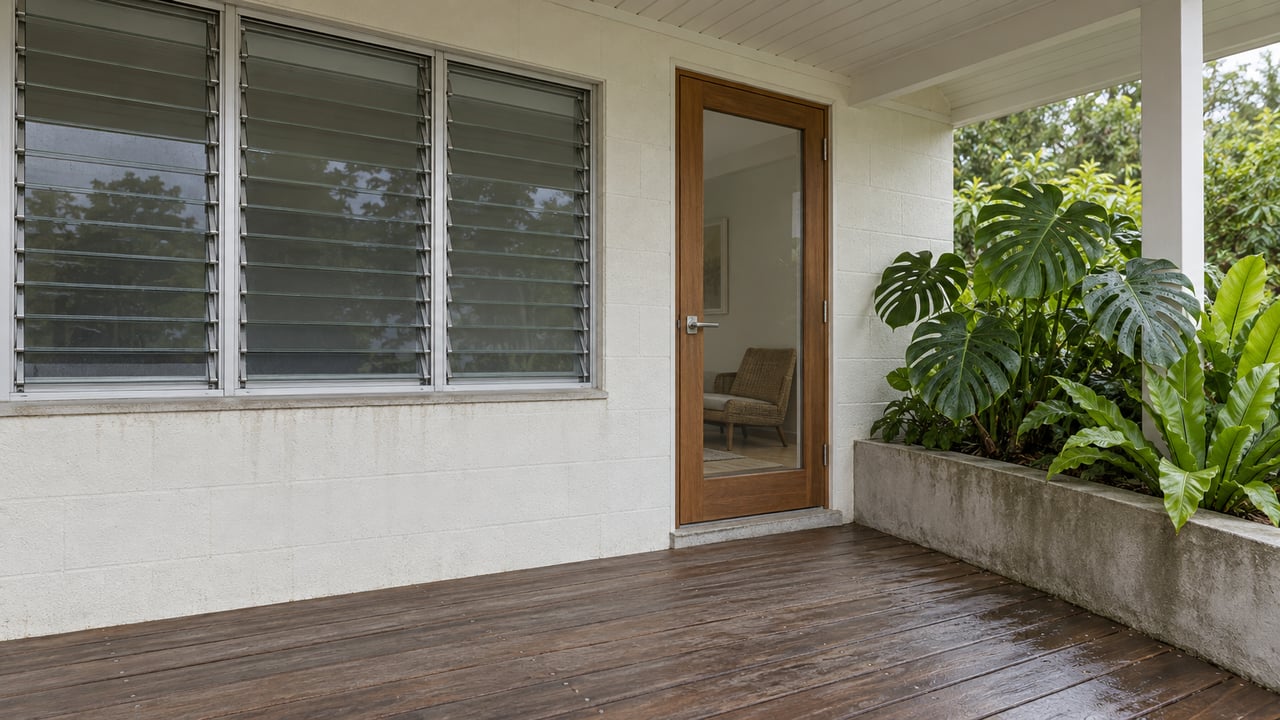
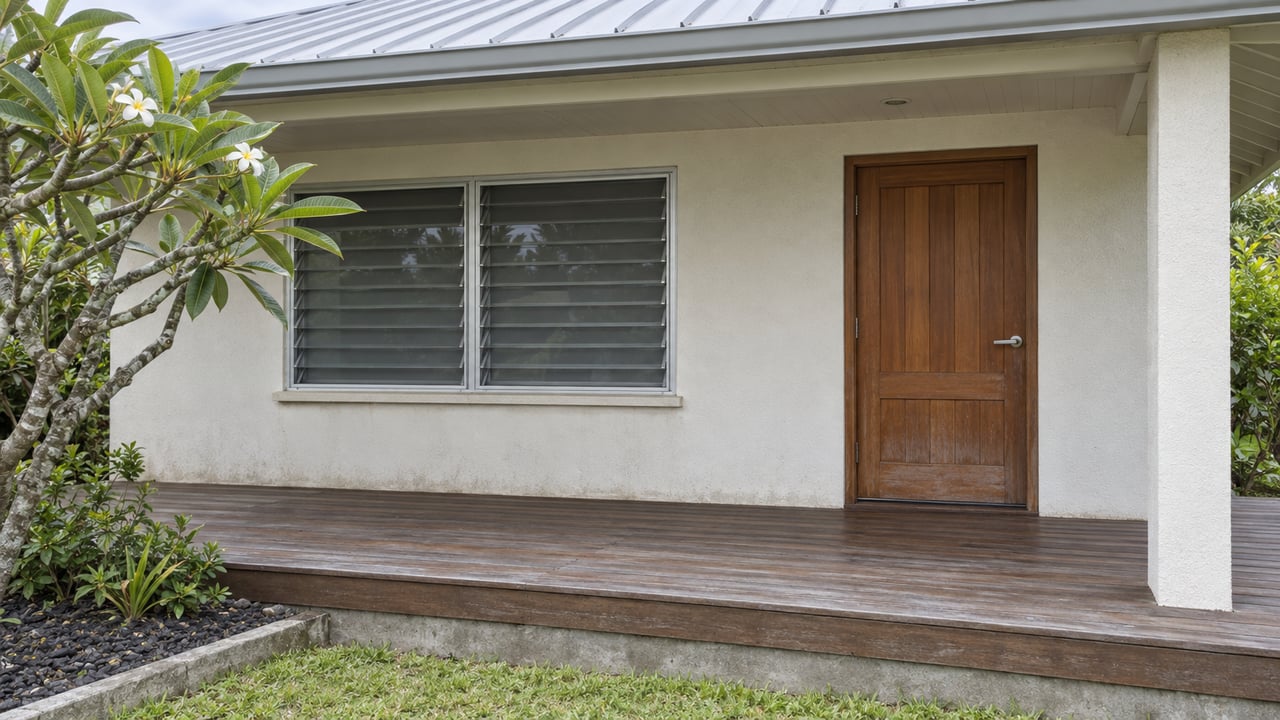
Roof edges, lanais, screens, paint condition, drainage, and signs of rust or decay can shape a buyer’s impression before they even get to the kitchen or living room. If these items look neglected, buyers may assume there are bigger deferred maintenance issues inside the home.
Exterior items worth checking before listing
- Roof edges and visible wear
- Lanai condition and railings
- Window and screen condition
- Paint touch-ups
- Drainage around the home
- Signs of wood rot, corrosion, or pest damage
Get Ahead of Termites and Moisture Issues
Termites are not a minor issue in Hawaiʻi, and they should not be treated like one when you prepare to sell. The University of Hawaiʻi CTAHR identifies the Formosan subterranean termite as the single most damaging insect pest to homes in Hawaiʻi.
Its prevention guidance stresses proper drainage, fixing leaks, and reducing moisture that creates termite-friendly conditions. That is especially relevant in Kailua, where humidity and windward weather can add to the risk.
Moisture issues can also show up as mold, decay, or damp exterior materials. The UH Sea Grant handbook notes that coastal locations are vulnerable to damp eave boards and fungus growth, and it emphasizes drying wet areas quickly after flooding or water intrusion.
For sellers, the key is simple: do not wait for a buyer or inspector to spot these issues first. If you know you have leaks, drainage problems, soft wood, or musty areas, addressing them early can help protect your deal later.
Know Hawaiʻi Disclosure Rules Early
One of the most important steps before listing is getting your disclosure process organized. Hawaiʻi law requires a signed seller disclosure statement to be delivered in connection with the sale of residential real property, and the buyer must have the chance to review it.
There are also added disclosure requirements in certain situations. If a property lies within the state sea level rise exposure area, that must be disclosed. Shoreline parcels must also disclose information about permitted and unpermitted erosion-control structures, permit expiration dates, alleged violations, and related fines.
If you are selling a condo or another common-interest property, there is more to gather. Hawaiʻi law requires sellers in these properties to provide governing documents such as the declaration, bylaws, and rules where applicable.
Disclosure items to start gathering early
- Seller disclosure statement details
- Repair and maintenance history
- Permit history, if applicable
- Flood-zone information
- Sea level rise exposure information, if applicable
- Condo or association documents, if applicable
Verify Flood Status Before You List
Flood-zone status deserves extra attention right now on Oʻahu. The Hawaiʻi Department of Commerce and Consumer Affairs announced that updated FEMA Flood Insurance Rate Maps affecting more than 3,500 Oʻahu parcels become effective June 10, 2026, with some parcels newly designated as Special Flood Hazard Areas.
That can affect insurance, financing, and buyer decision-making. Even if your property has not had a flood issue in the past, an updated designation can still shape how buyers evaluate the home.
Checking flood status early gives you time to understand what applies to your property and prepare for questions before they come up in escrow. It is much better to sort that out before launch than after a buyer is already under contract.
Timing Matters, But Preparation Matters More
Many sellers ask when the best time is to list in Kailua. While seasonal activity can matter, the data suggests that your readiness may matter even more.
Oʻahu market reports from March and April 2026 showed steady spring buyer activity and relatively short median days on market for single-family homes. At the same time, Kailua-Waimānalo monthly counts show that small local sample sizes can swing quickly from month to month.
That is why the most practical timing advice is to finish your prep work before your market window opens. Pricing, staging, disclosures, permit review, and flood-zone verification are much easier to manage before the sign goes up.
A Pre-Listing Checklist for Kailua Sellers
If you want a practical place to start, focus on these steps before going live:
- Review recent sold comps in your immediate Kailua area
- Compare your home to current active listings
- Declutter, depersonalize, and deep clean
- Prioritize the living room, primary bedroom, and kitchen
- Inspect exterior wear tied to moisture and salt exposure
- Address leaks, drainage issues, and visible termite or rot concerns
- Gather disclosure information and property documents
- Confirm flood-zone status early
- For condos, collect governing documents before listing
A well-prepared launch can help you attract stronger interest, reduce avoidable delays, and give buyers more confidence from day one.
If you are thinking about selling in Kailua, local guidance can make a real difference when pricing, preparing, and positioning your home for today’s market. Connect with Homes of Hawai'i Real Estate for hands-on, neighborhood-focused support from listing through closing.
FAQs
What should Kailua sellers do before listing a home?
- Start with pricing research, home prep, disclosures, and a review of condition issues such as moisture, drainage, termites, and exterior wear.
How should a home in Kailua be priced?
- A Kailua home should be priced using recent sold comps from its immediate micro-area and compared against current active competition, rather than relying on broad county averages.
Why does home condition matter so much in Kailua?
- Kailua’s windward climate, moisture, and salt exposure can accelerate wear, so buyers often pay close attention to signs of corrosion, wood rot, drainage problems, and deferred maintenance.
Do Kailua sellers need to complete disclosures before a sale?
- Hawaiʻi law requires a signed seller disclosure statement in connection with the sale of residential real property, and some properties may need additional disclosures related to sea level rise exposure or shoreline conditions.
Should Kailua condo sellers gather documents before listing?
- Yes. Sellers of condos and other common-interest properties should gather governing documents such as the declaration, bylaws, and rules before the listing goes live.
Why should Kailua sellers verify flood-zone status early?
- Updated flood maps affecting Oʻahu parcels take effect June 10, 2026, and flood-zone status can affect insurance, financing, and buyer interest.