If you are trying to choose between Kailua beachside living and an in-town lifestyle, the right answer usually comes down to one question: what do you want your everyday routine to feel like? In Kailua, both options come with strong appeal, but they offer very different rhythms, price points, and tradeoffs. This guide will help you compare beach access, walkability, home styles, and daily convenience so you can narrow in on the part of Kailua that fits you best. Let’s dive in.
How to Think About Beachside vs In Town
In practical local terms, beachside usually means the shoreline-adjacent neighborhoods around Kailua Beach Park and Lanikai. In town generally refers to the shop-and-condo core around Kailua Road and the Aoloa and Hekili area.
That distinction matters because these two parts of Kailua support very different lifestyles. Beachside is more about a residential coastal setting and time near the water. In town is more about easy access to errands, dining, shopping, and condo-style convenience.
Kailua as a whole is still a higher-priced market. As of April 2026, Realtor.com reported a median listing price of $1.696 million, a median sold price of $1.502 million, 118 homes for sale, and median rent of $4,000 per month, while Redfin gave Kailua an overall Walk Score of 40.
Beachside Living in Kailua
What Daily Life Feels Like
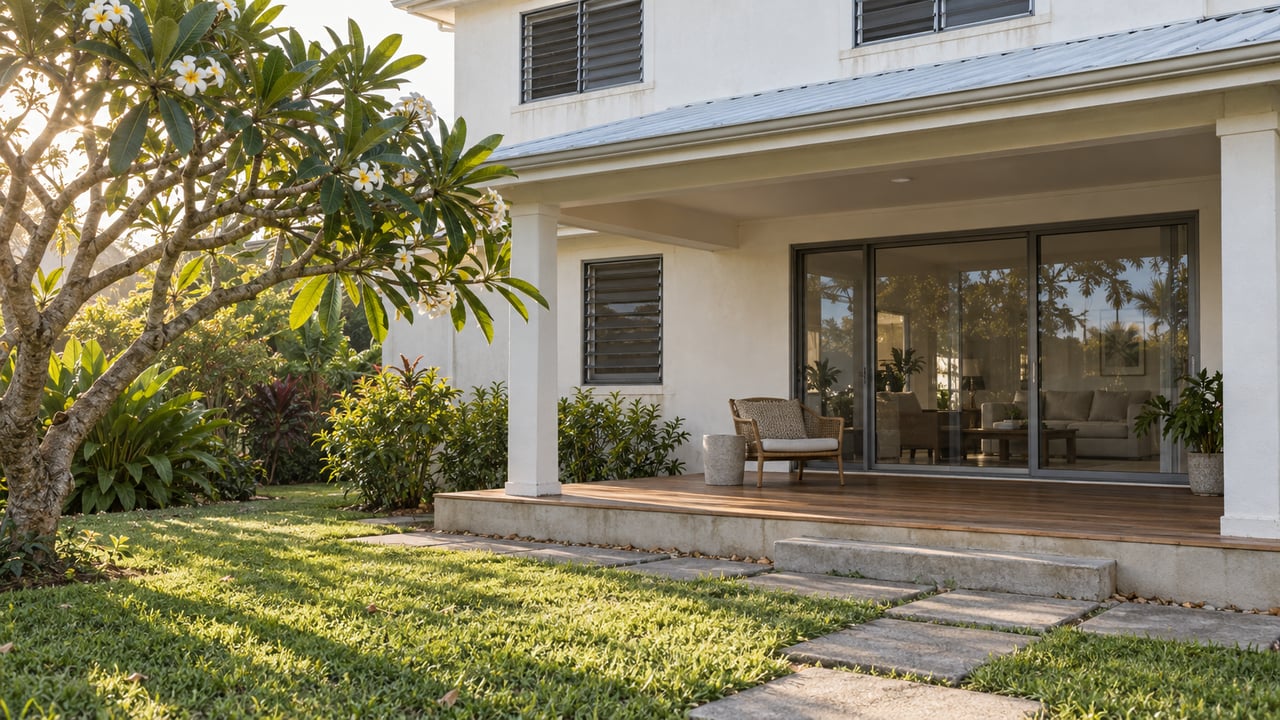
Beachside living is built around the shoreline. This is the part of Kailua where your routine may include early walks to the sand, ocean breezes, and a more residential setting near Kailua Beach Park and Lanikai.
Recent listings often describe homes as a short stroll or about a half-mile walk to Kailua Beach. Some also highlight that you can still be minutes from Kailua Town’s shops, restaurants, coffee spots, farmers markets, parks, and other everyday destinations.
What to Expect in Lanikai
Lanikai offers a distinct beachside experience, but it also comes with logistical limits. According to the City and County of Honolulu transportation plan, public roadway access is limited, there are no public parking lots, and the beach area has no restrooms, showers, or lifeguards.
The same plan notes parking pressure on peak days. It also states that TheBus links Kailua Town to Lanikai about every 40 minutes, which can be useful to know if you are thinking about mobility, guests, or your weekend routine.
Beach Access Comes With Tradeoffs
Living close to the shoreline can be a big lifestyle win, but it is not always effortless. Honolulu’s Department of Parks and Recreation says Kailua Beach Park sees more than 1,700 visitors per day and is undergoing dune restoration work.
That helps explain why beachside living can include recurring issues like parking pressure, crowding, and coastal preservation efforts. If you love the beach-first lifestyle, those tradeoffs may feel worth it. Still, they are part of the real picture.
In Town Living in Kailua
What Daily Life Feels Like
If you want convenience to shape your routine, in-town Kailua is usually the stronger fit. The retail core is centered around Kailua Road and Hekili Street, with destinations such as Kailua Shopping Center, Kailua Town Center, Lau Hala Shops, Kailua Village Shops, Hahani Plaza, Foodland Marketplace, Merchants Row, and Kailua Beach Center.
This is the part of Kailua where many errands can feel simpler. The official town directory includes groceries, restaurants, fitness, and retail, and the weekly Kailua Farmers Market is held in the Kailua Town Center parking lot near Longs CVS and UFC Gym.
Why Buyers Like the In-Town Core
Recent condo and townhome listings around Aoloa Street and Kailua Road consistently describe the area as being in the heart of Kailua or just a few blocks from the town center. Many mention easy access to Whole Foods, Target, restaurants, local shops, and other daily needs.
That convenience can change how you use your time. If you want to grab groceries, meet friends for coffee, or take care of a few errands without a long drive, the in-town core often makes that easier than the shoreline areas.
Home Types and Price Ranges
Beachside Prices and Housing Stock
Beachside is the pricier side of this comparison. Realtor.com’s April 2026 neighborhood data for Beachside shows a median listing price of $3.12 million, a median sold price of $2.3 million, 53 active listings, a median price of $1,281 per square foot, 57 rentals, and median rent of $4,700 per month.
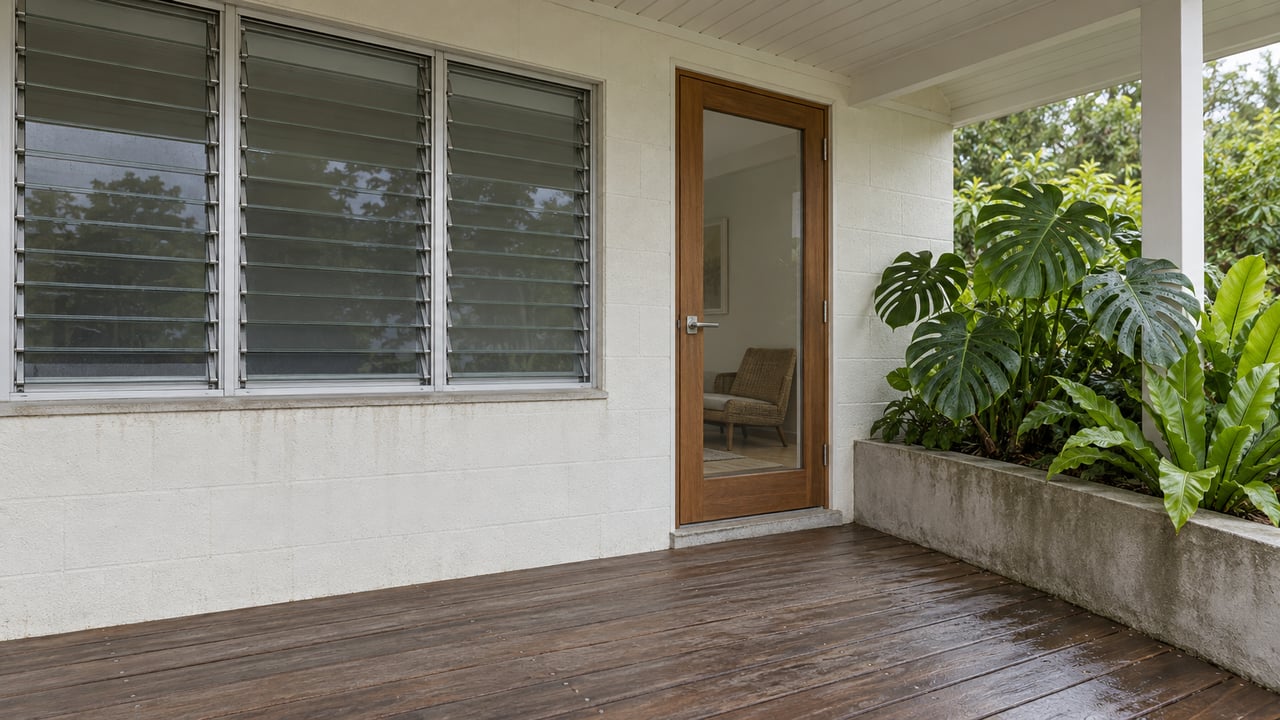
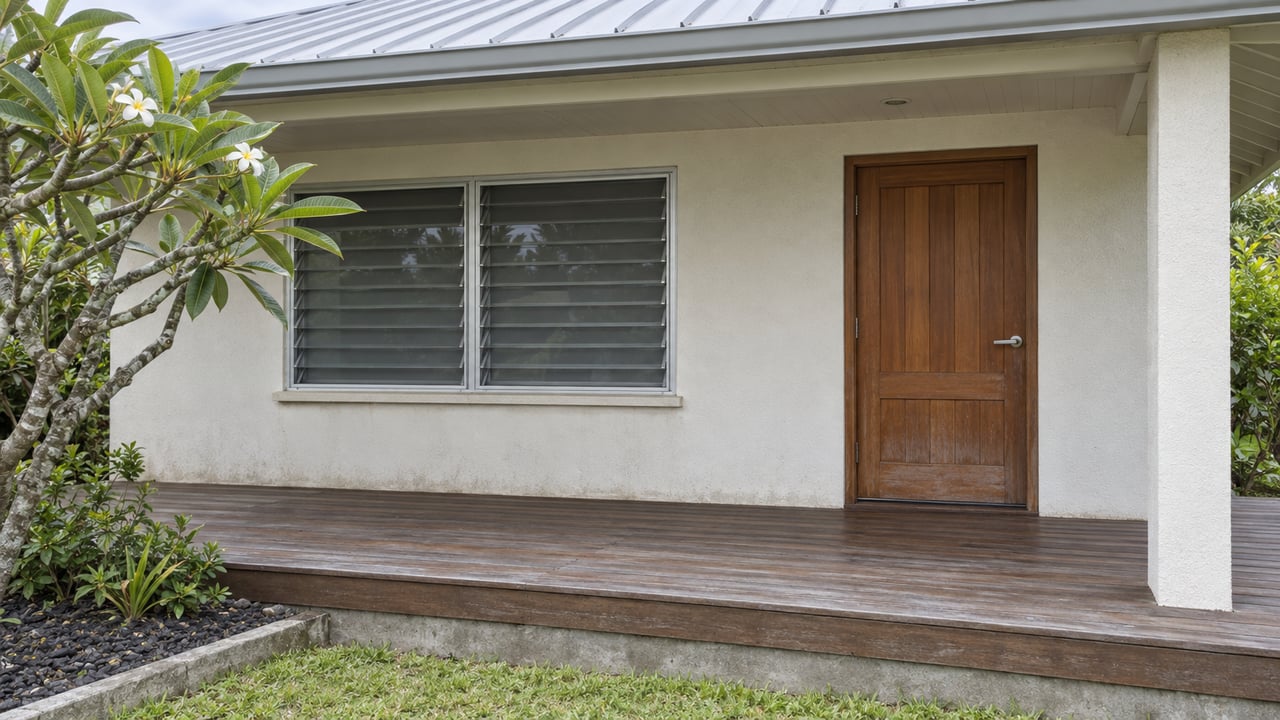
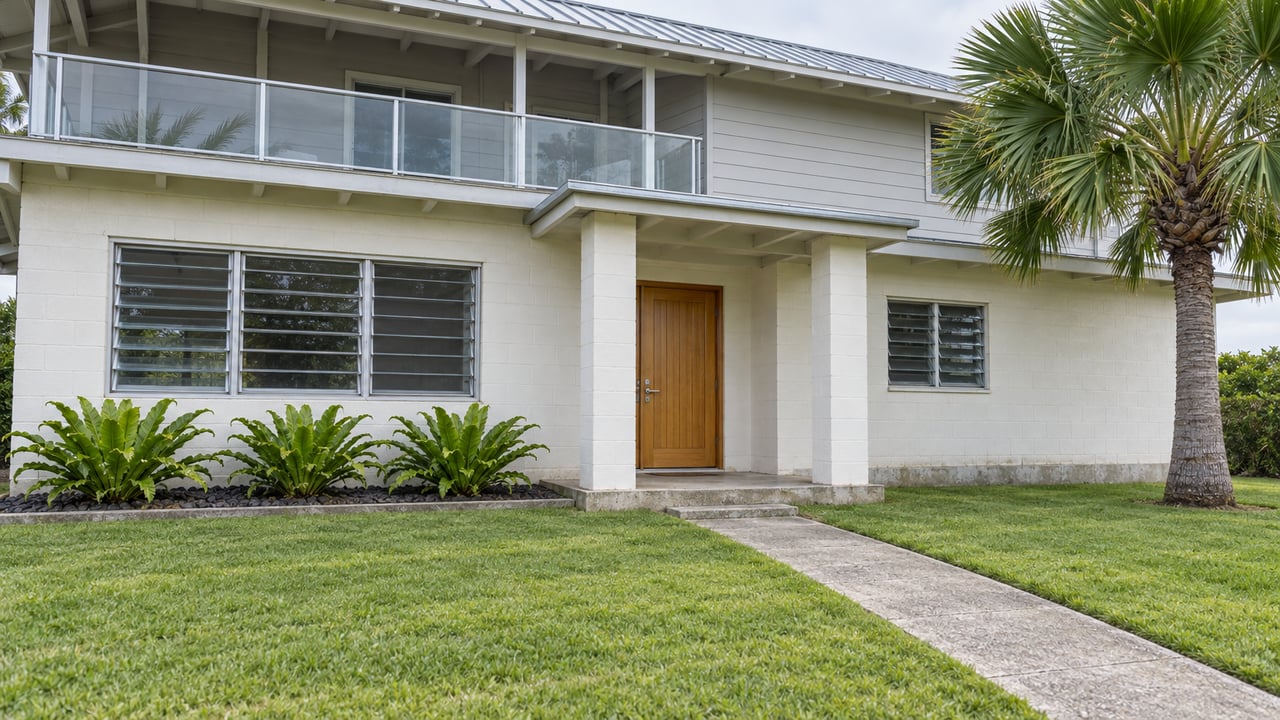
Most beachside homes are detached single-family properties. Listings often point to larger lots, updated interiors, and indoor-outdoor living, and the market spans from older updated homes to high-end beachfront properties.
It is also important to know that beachside is not one flat price tier. A home just one block back from the sand may still begin in the low-to-mid $2 million range, while true oceanfront or near-oceanfront homes can rise into luxury pricing well above that.
In-Town Prices and Housing Stock
In-town inventory is typically more varied and often more attainable than the shoreline market. Recent condo and townhome examples in the area have ranged from the high $600,000s to the low $700,000s, especially around Aoloa Street and nearby buildings.
Detached homes in and around Coconut Grove and nearby streets have commonly appeared in the low-to-mid $1 million range. Recent examples include duplex-style attached homes, cottage-style homes, homes with separate cottages, and newer CPR homes with relatively quick access to Kailua Town.
Condo and Townhome Lifestyle
One of the biggest differences in town is the range of attached housing. Condos and townhomes often offer practical features like covered parking, storage, and on-site amenities.
In buildings such as Windward Passage, listings highlight amenities like a pool, tennis courts, a fitness center, sauna, BBQ areas, guest parking, and security. That creates a very different lifestyle from a stand-alone beach house, and for some buyers, that tradeoff is a major advantage.
Beachside vs In Town at a Glance
| Feature | Beachside Kailua | In Town Kailua |
|---|---|---|
| Daily rhythm | Beach-focused | Errand-focused |
| Typical setting | Residential shoreline neighborhoods | Mixed-use core with condos, townhomes, shops, and services nearby |
| Common home types | Detached single-family homes | Condos, townhomes, duplex-style homes, older cottages, some single-family homes |
| Pricing pattern | Highest prices in this comparison | Usually more attainable than beachside, but still elevated |
| Convenience | Great for sand and shoreline access | Great for groceries, dining, shopping, and weekly routines |
| Common tradeoffs | Parking pressure, visitor demand, coastal upkeep | Higher prices even for attached homes because of location convenience |
Which Kailua Lifestyle Fits You Best?
Beachside May Fit You If
You may prefer beachside if your ideal day starts with time outdoors and close access to the shoreline. It can also be a better fit if you value a more residential feel and want a home environment centered on privacy and proximity to the beach.
The tradeoff is that you may deal with more friction tied to shoreline popularity. Parking, visitor traffic, and the realities of coastal living are all part of the beachside experience.
In Town May Fit You If
You may prefer in town if you want everyday life to feel efficient and connected. Being near groceries, restaurants, fitness options, and local retail can make it easier to handle daily routines without as much planning.
The tradeoff is that convenience still carries a premium in Kailua. Even when you are shopping for a condo or townhome instead of a beach house, prices can remain elevated because the location is so practical.
A Simple Way to Decide
If you are torn between the two, try thinking about your weekly habits instead of just the view or the home style. Ask yourself whether you care more about stepping out toward the beach or stepping out to handle errands, meet friends, and move through your day with ease.
In many ways, the cleanest distinction is this: beachside is about the beach routine, and in town is about the daily routine. Once you know which routine matters more to you, your home search usually gets much clearer.
If you want help comparing specific streets, condos, or homes in Kailua, connect with Homes of Hawai'i Real Estate for local guidance grounded in day-to-day market knowledge.
FAQs
What does beachside mean in Kailua?
- In this guide, beachside refers to the shoreline-adjacent neighborhoods around Kailua Beach Park and Lanikai rather than an official boundary.
What does in town mean in Kailua?
- In town refers to the practical retail and condo core around Kailua Road, Hekili Street, and the Aoloa area, where many shops, services, and condos are concentrated.
Is Kailua beachside more expensive than in town?
- Yes. April 2026 data in the research report shows Beachside with a median listing price of $3.12 million, while in-town options include condos and townhomes in the high $600,000s to low $700,000s and detached homes commonly in the low-to-mid $1 million range.
What kinds of homes are common in Kailua beachside?
- Beachside is mostly made up of detached single-family homes, including older updated houses, larger-lot properties, and luxury beachfront homes.
What kinds of homes are common in Kailua in town?
- In-town Kailua commonly includes condos, townhomes, duplex-style homes, older cottages, and some detached single-family homes.
Is Kailua Town walkable for daily errands?
- Kailua overall has a Walk Score of 40, but the in-town core is the most convenience-oriented area because it clusters groceries, restaurants, fitness, retail, and the weekly farmers market.
What should you know about living near Lanikai in Kailua?
- The City and County of Honolulu says Lanikai has limited public roadway access, no public parking lots, and no restrooms, showers, or lifeguards at the beach, with parking pressure during peak times.
What is the biggest difference between beachside and in town in Kailua?
- The biggest difference is lifestyle rhythm: beachside supports a shoreline-centered routine, while in town supports a convenience-centered daily routine.