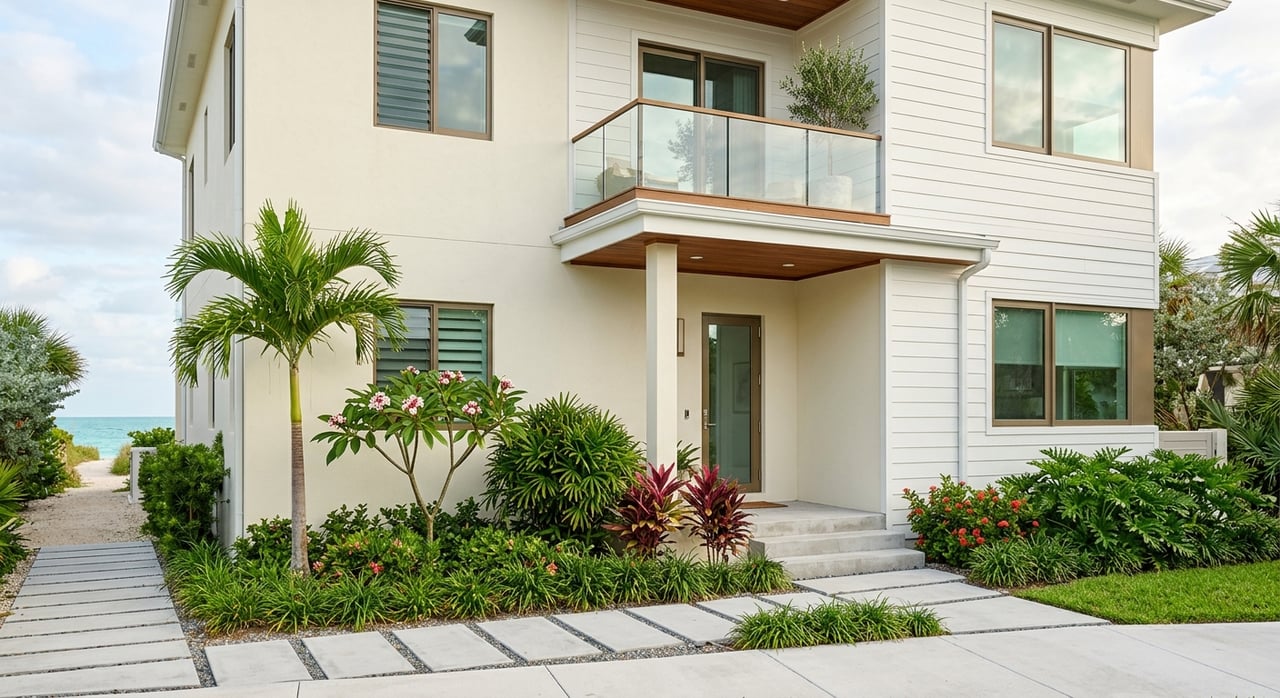
Buying your first home in Ewa Beach can feel exciting and overwhelming at the same time. You may be wondering what your budget can actually buy, whether a townhome is really a condo, and how much monthly costs will add up beyond the mortgage. This guide will walk you through what first-time buyers should know about Ewa Beach homes and townhomes, from pricing and layouts to HOA documents and utility costs. Let’s dive in.
What first-time buyers can expect
Ewa Beach is often more affordable than some other parts of Oʻahu, but it is still a high-cost market compared with many mainland areas. Recent market snapshots show overall home values in the area around the low-$800,000s, although exact figures vary by source and methodology. For example, Zillow reports an average home value of $824,361 and a median sale price of $804,150, while Redfin reported a February 2026 median price of $756,000.
For many first-time buyers, the practical starting point in Ewa Beach is usually an attached home rather than a detached single-family house. Current public listings include examples like a 2-bedroom condo at $405,000, another 2-bedroom condo at $489,900, a 2-bedroom unit at $500,000, and townhomes ranging from the mid-$600,000s into the mid-$700,000s. That means your first step is often deciding which type of attached home best fits your budget and lifestyle.
Why attached homes lead the starter market
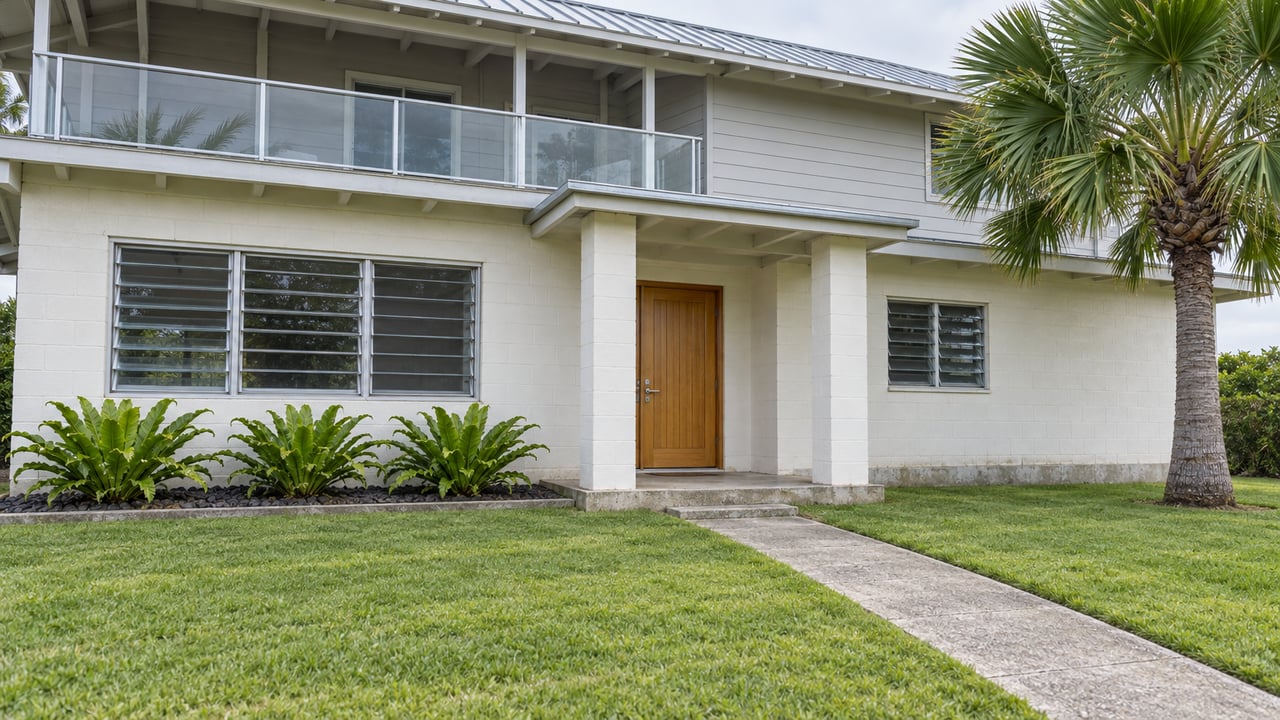
If you are hoping to buy in Ewa Beach without stretching too far financially, condos and townhomes are often where the search begins. Current Ewa Beach listing examples suggest that entry-level opportunities can start in the low-$400,000s for smaller condos and rise into the $700,000s for larger or newer townhome-style properties.
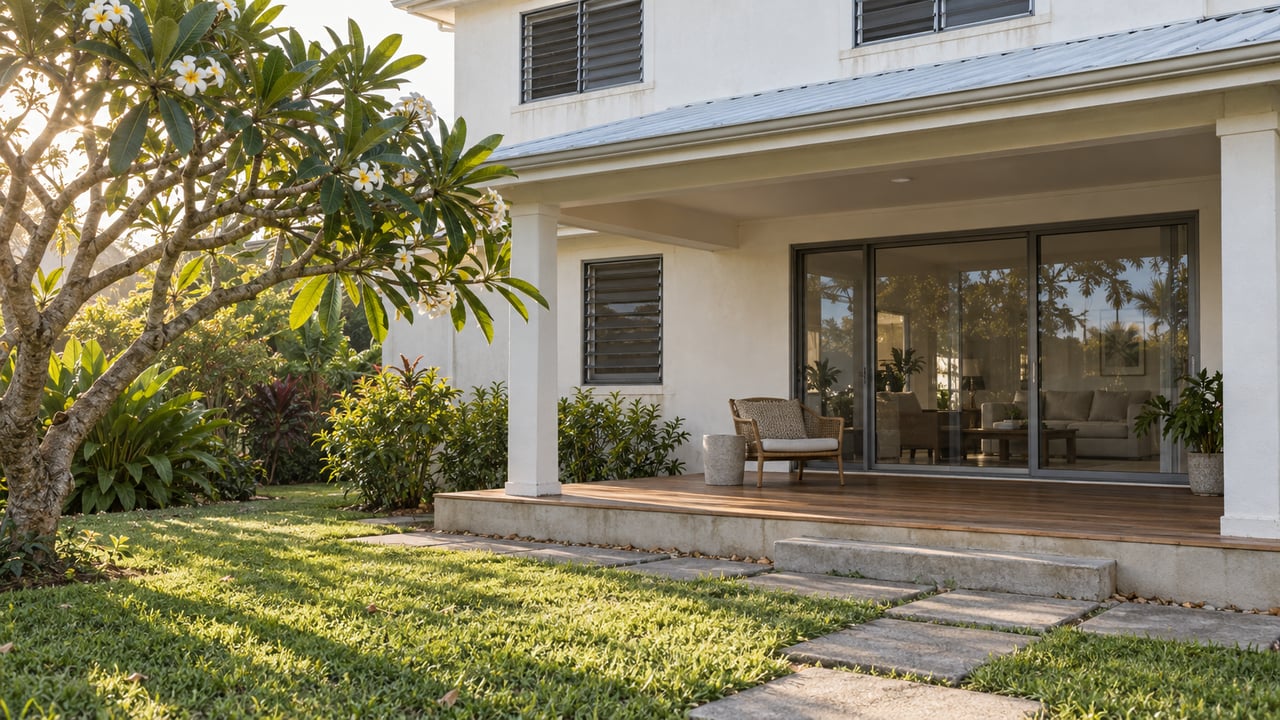
Newer homes in Ho‘opili-style communities show a different value proposition. Similar Zillow listings show 2-bedroom homes around $660,000 to $680,000, 2-bedroom homes with more bathrooms around $740,000 to $780,000, and some 3-bedroom options around the high-$600,000s. In plain terms, newer construction can offer more modern features, but it often comes at a higher price.
Common layouts in Ewa Beach
Starter homes in Ewa Beach come in a fairly predictable range of layouts. Public listings commonly show 1-bedroom, 1-bath homes around 700 square feet, 2-bedroom, 1-bath homes around 680 to 700 square feet, and 2-bedroom, 1.5-bath homes around 710 to 717 square feet. Larger 2-bedroom, 2-bath homes often run around 800 to 870 square feet, while newer 2-bedroom, 2.5-bath or 3-bath homes can reach roughly 1,050 to 1,200 square feet.
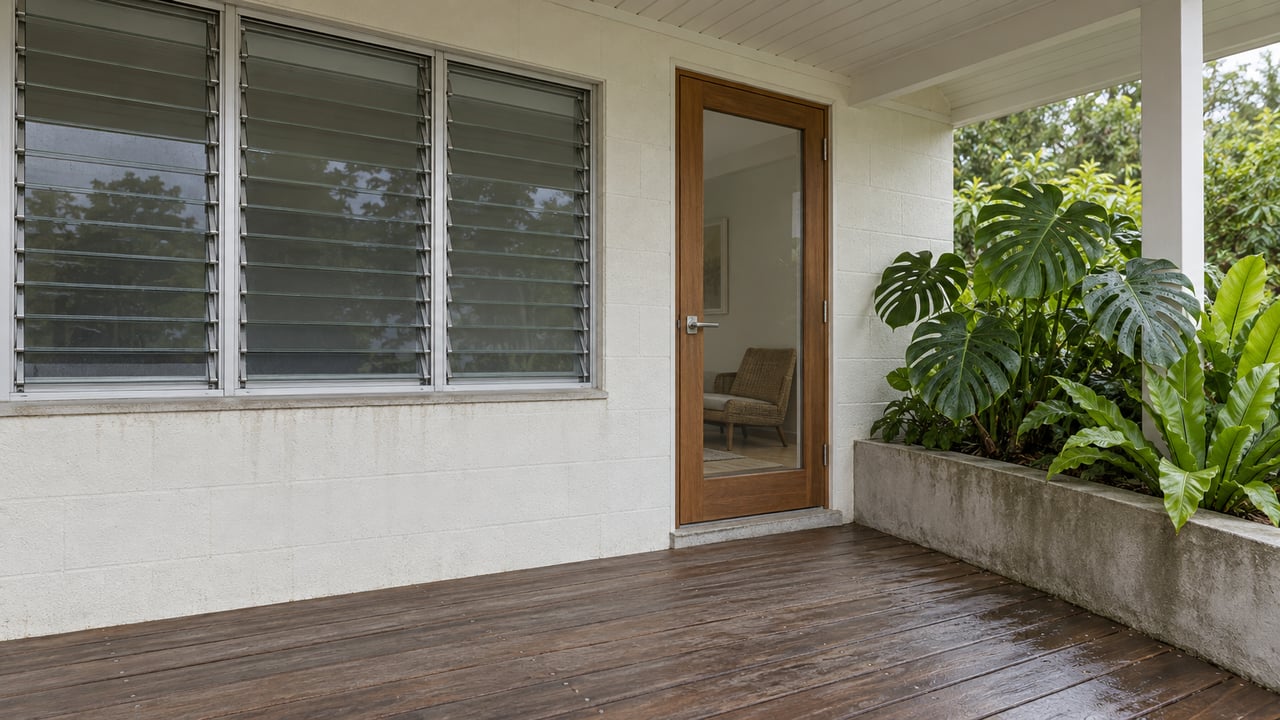
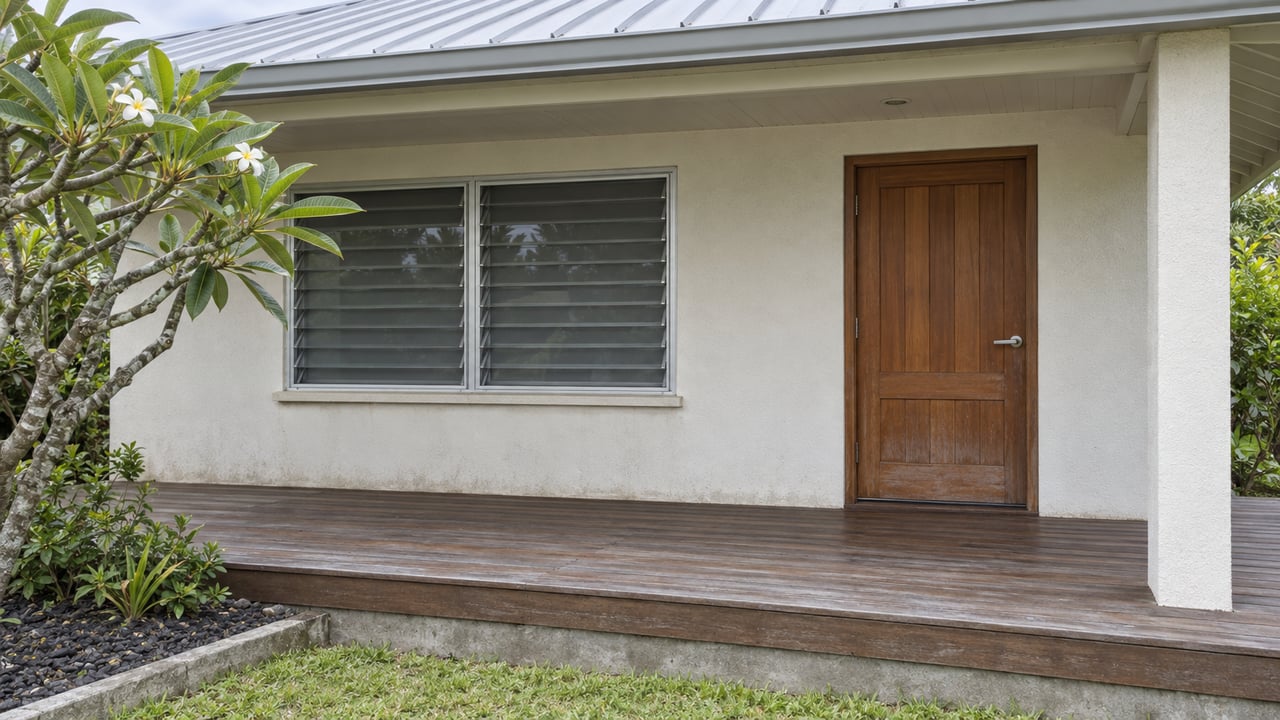
Older condos often trade a lower price for a smaller footprint and fewer private amenities. Newer townhome-style properties more often include features like open-concept layouts, assigned parking or attached garages, split A/C, in-unit laundry, and private outdoor space. That tradeoff matters because what looks affordable at first glance may also mean less storage, less parking, or fewer included features.
Is a townhome really a condo?
This is one of the most important questions for first-time buyers in Hawaiʻi. According to the Hawaiʻi Real Estate Branch’s condominium resources, condominium ownership is a legal ownership structure and can include not only apartment-style units, but also townhomes and even single-family homes.
That means you should not assume a home is fee simple just because it looks like a townhome. The legal structure depends on the governing documents and public report, not the exterior style. Before you write an offer, it is worth confirming exactly what you are buying and what ownership rights come with it.
HOA dues can change affordability fast
A common first-time buyer mistake is focusing only on the list price. In Ewa Beach, HOA or condo dues can have a major effect on your monthly payment. Some current public listings show Ho‘opili homes with monthly HOA dues of $599 or $629, while another Ewa Beach condo listing shows about $700 per month for a smaller 2-bedroom unit, according to current Zillow listing examples.
Those dues may cover more than basic maintenance. In some communities, HOA fees may include items like common area upkeep or sewer service. In others, you may still pay certain utilities separately. That is why two homes with similar sale prices can feel very different once you compare the full monthly cost.
Which condo documents matter most
Before you move forward on a condo or townhome, document review is essential. The Hawaiʻi Real Estate Branch’s condo FAQs and association records guidance make it clear that buyers should look beyond a simple listing sheet or database summary.
The key documents to review include:
- Declaration
- Bylaws
- House rules
- Current budget
- Reserve study or reserve funding summary
- Insurance information
- Recent board meeting minutes
These documents can tell you how the community is run, what rules apply, whether the association appears financially stable, and whether major repairs or policy changes may be on the horizon.
Why reserves and special assessments matter
Reserve funding deserves extra attention. The DCCA guidance on budgeting and reserve funding explains that condo boards must adopt an annual budget and establish adequate reserves. It also notes that insufficient reserves can lead to deferred maintenance or special assessments.
For you as a buyer, that means a lower HOA fee is not always better. If reserves are weak, the association may need to charge owners extra later to cover repairs or capital projects. Asking about reserves and any planned or recent special assessments can help you avoid an unpleasant surprise after closing.
Newer communities need extra review
If you are considering a newer property, do not skip the ownership and project documents. The Hawaiʻi Real Estate Branch condo FAQs note that developers must provide a Developer’s Public Report before sale, and the state database may contain only limited summaries.
That makes it especially important to verify whether you are buying into a condo, a planned community association, or another structure. In a newer Ewa Beach community, those details affect your dues, rules, maintenance obligations, and long-term budgeting.
Monthly costs buyers often overlook
Your mortgage is only part of the picture. Both HUD’s homebuying guidance and local cost data support a more complete affordability review before you buy.
A realistic Ewa Beach monthly budget should include:
- Principal and interest
- Property taxes and insurance
- HOA or condo dues
- Electricity
- Water
- Sewer, if not included in HOA dues
- Parking-related costs, if applicable
- Commute costs
- Closing costs and cash to close
Looking at the full picture early can save you time and help you shop with confidence.
Electricity costs on Oʻahu
Electricity is one of the biggest line items buyers underestimate in Hawaiʻi. Hawaiian Electric reports that the average 2025 residential electricity price on Oʻahu was 40.54 cents per kWh.
That matters if the home has split A/C, frequent laundry use, or EV charging. Even in a smaller home, power costs can add up quickly. When you compare properties, it helps to think about how often you will run air conditioning and whether the home’s features may raise your monthly electric bill.
Water and sewer in Ewa Beach
Water is another cost that deserves a closer look. The Board of Water Supply rate schedule shows tiered pricing for multi-unit residential properties, including apartments, condominiums, and townhouses, with rates ranging from $4.06 to $9.27 per 1,000 gallons depending on usage, plus a monthly customer charge.
Sewer charges can matter too. Honolulu’s ordinance package for sewer service charges established new charges beginning January 1, 2026, and some associations may bundle sewer into the HOA fee. The key is to verify whether sewer is included or billed separately so your monthly budget is accurate.
Commute planning still matters
Ewa Beach buyers should also think through daily transportation costs. Skyline currently operates from East Kapolei to Middle Street, and TheBus routes 41 and 42 connect Kapolei and Ewa Beach with other parts of Oʻahu.
Even with transit options, many households will still want a car for flexibility. If you are comparing homes, consider not just the property itself, but also how parking, fuel, transit access, and drive time fit into your routine and budget.
Smart first steps for first-time buyers
If you want to buy in Ewa Beach, a few early steps can help you make a stronger decision.
Start with affordability
HUD advises buyers to think about affordability based on income, credit, monthly expenses, down payment, and interest rate, not just the sticker price. That is especially important in a market where HOA dues and utilities can materially affect your monthly payment.
Get preapproved early
A preapproval helps you understand your price range before you start touring homes. It also gives you a clearer sense of what loan amount feels comfortable once you include HOA dues and other recurring costs.
Compare loan options carefully
The Consumer Financial Protection Bureau guidance referenced by HUD supports comparing loan choices and reviewing closing costs closely. If you are buying your first home, make sure you understand not only the rate, but also your projected monthly payment and cash needed at closing.
Read the HOA packet before waiving contingencies
In Ewa Beach, this step can be just as important as the home inspection. Ask direct questions about reserves, special assessments, parking rules, insurance, and what the HOA fee actually covers.
Confirm the ownership structure
If the property looks like a townhome, confirm whether it is legally a condo or another ownership type. That one detail can shape your financing, obligations, and expectations as an owner.
Buying your first home in Ewa Beach is not just about finding a property you like. It is about understanding the full cost, the ownership structure, and the community documents before you commit. If you want local guidance as you compare condos, townhomes, and newer developments, Homes of Hawai'i Real Estate can help you navigate the details with clear, hands-on support.
FAQs
What can a first-time buyer buy in Ewa Beach?
- Current public listings suggest many first-time buyers in Ewa Beach start with attached homes, including condos from the low-$400,000s and townhome-style properties that can reach into the $700,000s.
How can a first-time buyer tell if an Ewa Beach townhome is a condo?
- In Hawaiʻi, the legal ownership structure is determined by the governing documents and public report, not just by how the home looks from the outside.
Why do HOA dues matter for Ewa Beach condos and townhomes?
- HOA dues can significantly affect your monthly budget and may cover items like common area maintenance, sewer, reserves, and other shared expenses.
What condo documents should a first-time buyer review in Ewa Beach?
- Buyers should review the declaration, bylaws, house rules, current budget, reserve study or funding summary, insurance information, and recent board minutes.
What monthly costs are easy to miss when buying in Ewa Beach?
- Beyond the mortgage, buyers often overlook HOA dues, electricity, water, sewer, insurance, commute costs, and closing costs.
Why should a first-time buyer ask about condo reserves in Ewa Beach?
- Reserve funding can affect the likelihood of future special assessments and may signal how prepared the association is for major repairs and replacement costs.