Scroll through Ewa Beach listings this month and you'll see it everywhere: a headline number, bolded, sometimes with three exclamation points, promising an interest rate that hasn't existed on a new loan in years. A townhouse in Montecito at Ewa by Gentry advertising 3.25 percent. A unit at Ka Makana at Hoakalei flagged as VA assumable. A place in Coral Ridge at 2.5 percent. In a market where new VA financing has been running well above that, these numbers look like the deal of the decade.
They can be. But the rate on the flyer is not the number that decides whether you close. In Ewa Beach specifically, two things determine that, and neither one shows up in bold type: a loan servicing timeline that was never built for a normal escrow calendar, and a termite pattern that shows up in inspection reports here more than almost anywhere else on the island. If you're looking at one of these listings, or selling a home that has one attached, both are worth understanding before you sign anything.
The 30-day contract that doesn't fit this loan
A VA loan assumption isn't a refinance. The buyer isn't getting a new loan from a new lender. They're stepping into the seller's existing mortgage, rate and remaining term intact, and the company that has to approve that step is whoever currently services the loan, not a lender either party chooses. That servicer underwrites the buyer from scratch: credit, income, debt-to-income, occupancy intent, the same review a new mortgage application gets. The difference is speed. Where a conventional purchase loan typically closes in 30 days, an assumption processed through a servicer runs 45 to 120 days depending on how backed up that particular company is.
That gap matters because most purchase contracts, including the ones written for these Ewa Beach listings, still default to a standard closing window. A buyer who writes an offer assuming a 3.25 percent loan and closes in 30 days is planning around a timeline the servicer has no obligation to meet. Sellers who need to move on a schedule, whether that's a PCS date or a contingent purchase elsewhere, may not accept an assumption offer at all once they understand what the real calendar looks like.
| Standard financed purchase | VA loan assumption | |
|---|---|---|
| Who approves the buyer | A new lender of the buyer's choosing | The current loan's servicer |
| Typical processing time | 21 to 30 days | 45 to 120 days |
| Funding fee | New VA loan: roughly 2.3 percent | Assumption: 0.5 percent of remaining balance |
| Extra cash needed | Down payment only, per contract | Down payment plus any equity gap |
The funding fee row is where the math actually favors the buyer. A new VA loan carries a funding fee in the low single digits. An assumption costs half a percent of whatever balance remains, plus modest servicer processing fees. On a $700,000 balance, that's the difference between a fee in the tens of thousands and one closer to $3,500. The savings are real. They just arrive on a slower clock.
The gap between the price and the balance
The rate isn't the only number that matters, and in some of these Ewa Beach listings it isn't even the most important one. What you're actually assuming is a remaining loan balance, not the home's current asking price. Whatever separates those two figures, the equity the seller has built, has to be covered by the buyer, either in cash or through a second loan.
The Montecito at Ewa by Gentry listing advertising that 3.25 percent rate lists at $850,000 with roughly $130,000 in equity the buyer needs to bring to the table beyond the assumed balance. That's not a small ask, and it changes who this deal actually works for. A buyer with strong VA eligibility but limited cash reserves may find the assumed rate is a rate they can't actually reach, because the gap financing costs more than the rate savings are worth.
It's also worth knowing that not every assumable rate advertised in Ewa Beach right now is a 2.5 or 3.25 percent showstopper. One listing circulating as of March 2026 shows an assumable balance of roughly $832,600 at 5.75 percent. Against new VA financing running near 6.5 percent this year, that's still a discount, but a much thinner one, and it may not be worth the extended timeline and equity-gap math once you run the numbers against a new loan at current rates.
Before writing an offer on an assumable-loan listing, a buyer should have ready:
- Proof of funds or a pre-approved second loan covering the full equity gap, not just the down payment
- A lender or loan officer familiar with the specific servicer on that loan, since processing quality varies widely by company
- A purchase contract with a financing contingency window that reflects 90 to 120 days, not 30
- Clarity on whether they're a VA-eligible veteran who can substitute entitlement, since that changes what the seller will require in the agreement
What sellers give up if they get this wrong
Assumption cuts both ways, and the seller's exposure is easy to miss in the excitement of a fast offer. If the buyer assuming the loan is a VA-eligible veteran willing to substitute their own entitlement for the seller's, the seller's VA benefit is restored immediately and they can use it again on their next purchase. If the buyer is a civilian, or a veteran who doesn't substitute entitlement, the seller's entitlement stays tied to that property until the assumed loan is paid off in full, which for a 30-year mortgage assumed a few years into its term could be decades.
Sellers also need a formal Release of Liability from the servicer, not a verbal assurance from the buyer or their agent. Without it, a seller remains on the hook if the new borrower ever defaults. For a military family in Ewa Beach who expects to use VA financing again at their next duty station, walking away from this step because the closing felt routine can turn into a real problem years later, at a moment when they're trying to buy again and find their entitlement isn't where they thought it was.
The other inspection nobody budgets time for
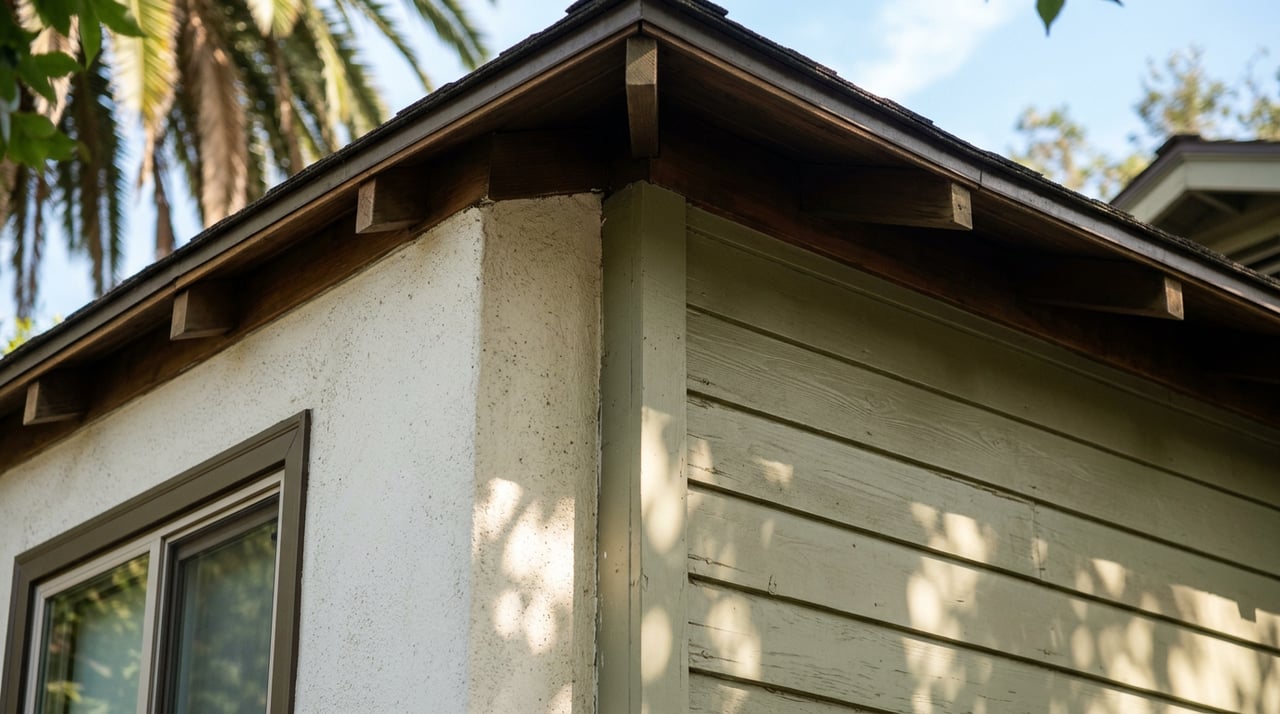
Financing isn't the only place these deals slow down. Ewa Beach has a documented ground termite problem that's more active here than in most other parts of the island, including in homes that are only a few years old. Pest control companies working the area report seeing active Formosan termite activity in newer construction in communities like Ocean Pointe within two to three years of the homes going up, sometimes while the property is still under a builder's termite warranty. New landscaping and disturbed agricultural soil from ongoing development in the area are part of why: ground termite colonies displaced by construction don't disappear, they relocate.
That matters for how the Hawaii purchase contract handles the termite inspection. If the report comes back with visible evidence of infestation, the seller is responsible for paying for the recommended treatment, but that obligation covers treatment of what's found, not preventive measures against what might show up later. The contract also has language acknowledging that latent or hidden termite damage may exist that neither the seller nor the brokerage firms are aware of, and both buyer and seller release the brokerages from liability for that hidden damage. In a neighborhood where ground termites move fast enough to build visible mud tubes between one inspection and the next, that clause isn't boilerplate. It's the actual risk allocation for a real, locally elevated pattern.
For a buyer already stretching their timeline and cash reserves to cover an assumption, an unexpected termite finding partway through escrow can be the thing that breaks the deal, not because the home is unusually damaged, but because there's no financial cushion left to absorb a treatment cost that wasn't in the plan.
What this actually means if you're close to signing
Put these two pieces together and the picture of an Ewa Beach assumable-loan purchase looks different than the listing photo suggests. The rate is real. So is the extended timeline, the equity gap, the entitlement exposure for the seller, and the elevated odds that a termite report turns up something that needs addressing before closing. None of that makes these deals bad. It makes them deals that need a longer runway and a buyer or seller who's planned for the specific frictions this market produces, not the generic ones a national VA loan guide would flag.
Do you have to be a veteran to assume a VA loan in Ewa Beach? No. Any buyer who qualifies financially with the servicer can assume a VA loan, veteran or not. What changes is what happens to the seller's entitlement afterward, which is why that detail belongs in the negotiation, not as an afterthought at closing.
What happens if ground termites turn up after closing on an assumed-loan home? The purchase contract's termite clause covers what's found during the pre-closing inspection, with the seller responsible for treatment of visible infestation discovered at that time. Damage or activity that surfaces after closing, and wasn't visible during inspection, generally falls to the buyer, which is part of why a standalone termite inspection alongside the general home inspection is worth the cost in this part of the island.
How much lead time should I build into an offer on an assumable loan? Plan for 90 to 120 days from accepted offer to closing, not the standard 30. Servicer backlogs vary, and a contract written around a 30-day timeline puts unnecessary pressure on a process that's out of either party's direct control.
If you're weighing one of these listings, or you're a seller trying to figure out what an assumable loan actually does to your timeline and your entitlement, it helps to talk it through with someone who's watched these deals play out on this side of the island. Homes of Hawai'i Real Estate works these transactions regularly across windward and West Oahu. Connect with a local expert in Kailua before you write or accept an offer that has more moving parts than the flyer lets on.